Understanding Valve Trim & When It Should Be Replaced
Summary
• Valve trim is the internal working part of a valve, and its condition directly controls sealing performance, flow accuracy, and overall system efficiency
• Wear from erosion, cavitation, corrosion, and thermal cycling can quickly damage trim, leading to leakage, instability, and increased operational costs
• Proactive inspection and timely trim replacement is far more cost-effective than full valve replacement and helps prevent unplanned downtime
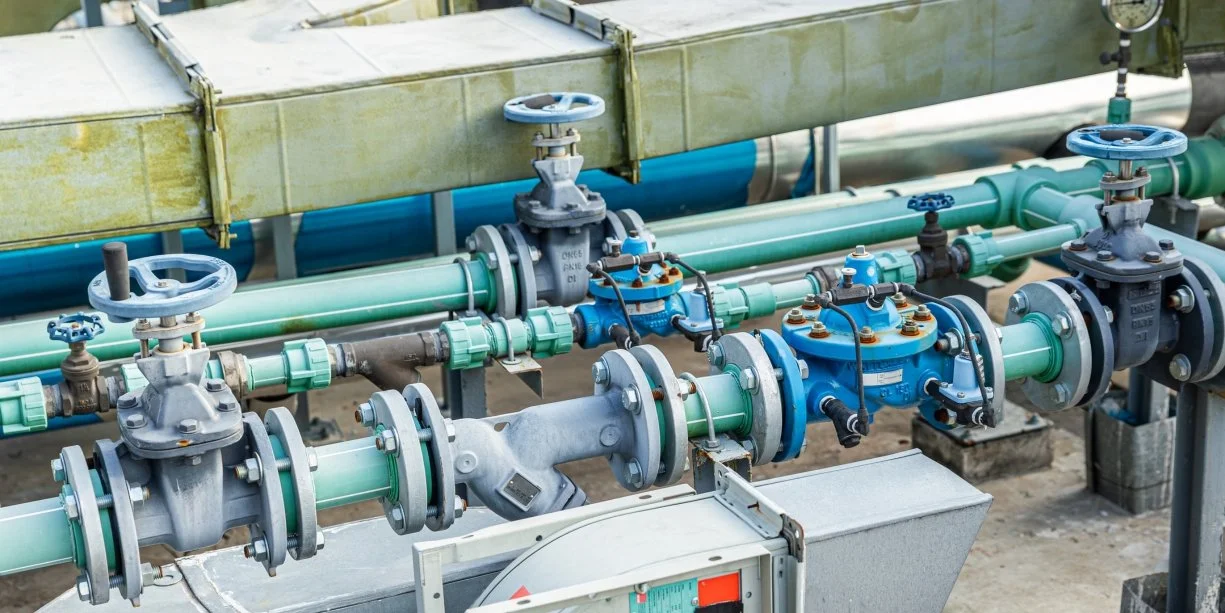
Valve trim is one of the most critical yet misunderstood components in industrial valves. Whether you operate in steam, water, oil & gas, or process automation, valve trim condition directly affects performance, safety, and efficiency. Understanding what valve trim is, how it wears, and when replacement is necessary can prevent costly downtime and extend the life of your valve assets.
In this guide, we break down valve trim components, wear mechanisms, material choices, and practical replacement guidelines to help maintenance teams make informed decisions.
What Is Valve Trim?
Valve trim refers to the internal moving parts of a valve that control flow. These components regulate pressure, sealing, and throttling. While the valve body provides structure, the trim does the real work of flow control.
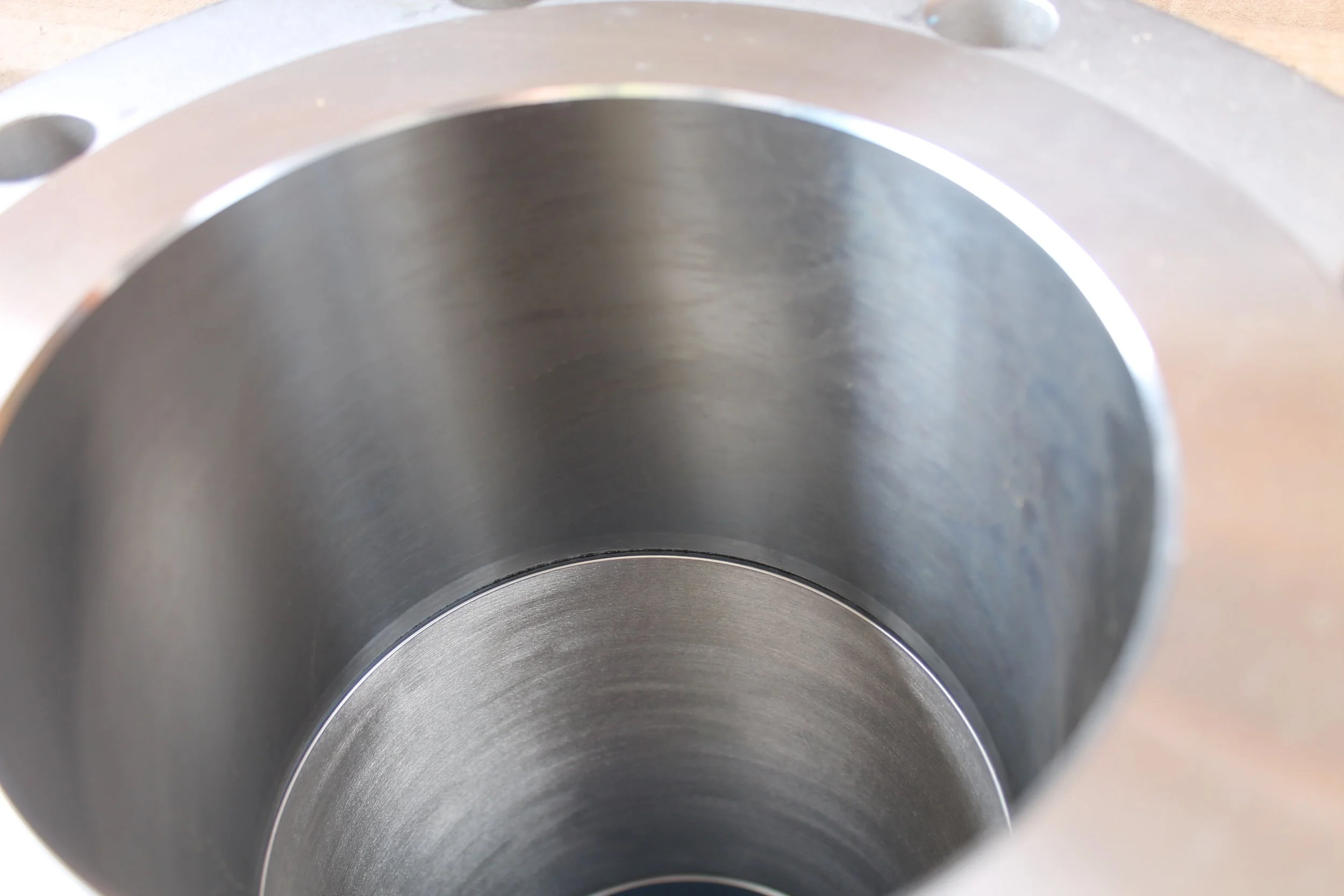
Typical valve trim components include:
Plug or disc
Seat ring
Stem
Cage or guide (in control valves)
Sealing surfaces
The trim is where most wear occurs, because it is exposed directly to flowing media, pressure changes, and temperature cycles. In control valves especially, trim design determines how precisely a valve can modulate flow.
Different industries use specialized trim configurations. For example, steam applications often require hardened trim, while chemical processing may demand corrosion-resistant alloys. Choosing the correct trim design is essential for long-term reliability.
How Valve Trim Wears Over Time
Valve trim operates in harsh conditions. Over time, mechanical and chemical forces degrade sealing surfaces. Ignoring trim wear can lead to leakage, unstable control, and complete valve failure.
Common wear mechanisms include:
Erosion: High velocity flow gradually removes material from the trim. This is common in throttling services and abrasive fluids.
Cavitation: Rapid pressure drops create vapor bubbles that implode against trim surfaces. Cavitation causes pitting and structural damage.
Corrosion: Chemical exposure attacks metal surfaces, weakening the trim and reducing sealing effectiveness.
Thermal fatigue: Repeated temperature cycling expands and contracts trim components, leading to cracks and distortion.
Even small surface damage can compromise performance. A worn seat or plug may cause internal leakage that reduces process efficiency and increases energy consumption.
Valve Trim Materials & Why They Matter
Material selection plays a major role in trim life expectancy. Using the wrong trim material can shorten valve service life dramatically.
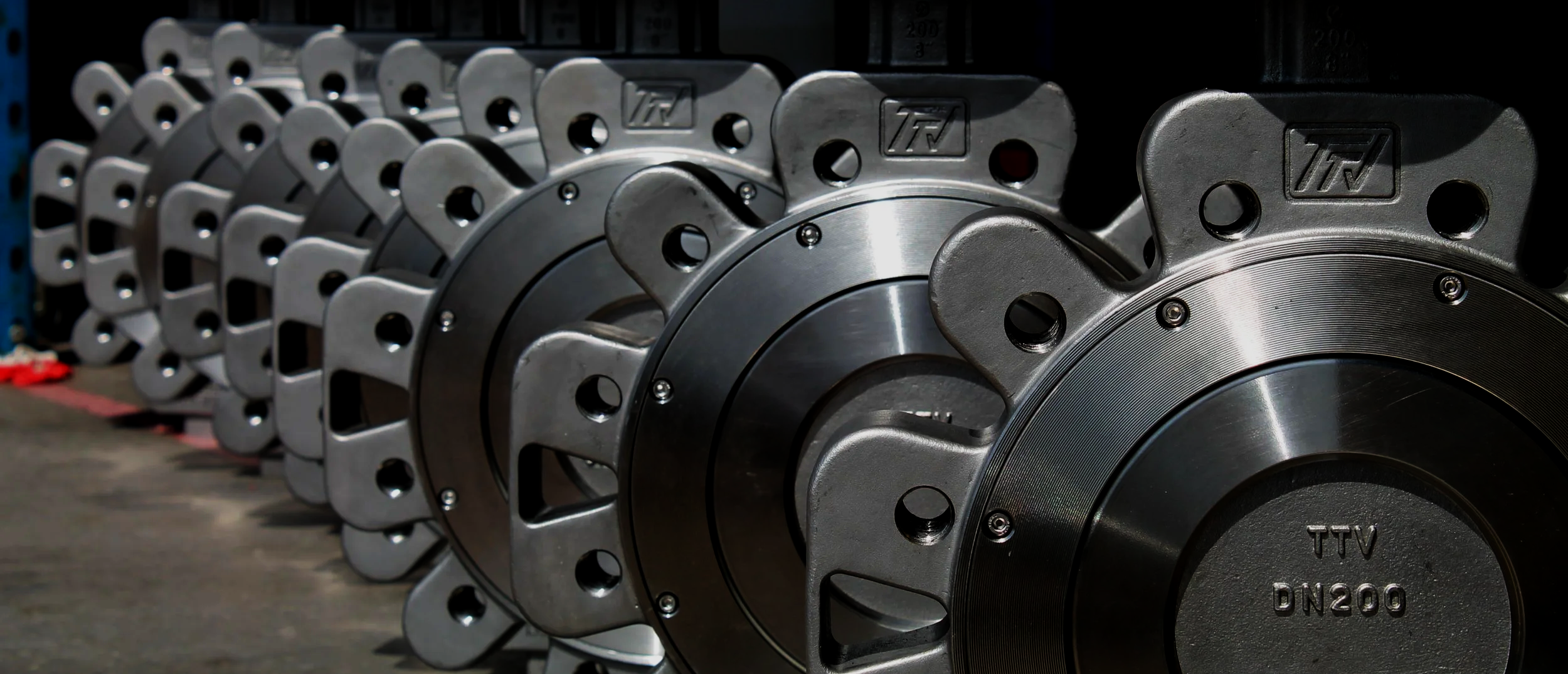
Common trim materials include:
Stainless steel for general industrial service
Hardened alloys for erosion resistance
Stellite or cobalt overlays for extreme wear
Bronze or brass for water systems
Exotic alloys for chemical resistance
Hard-facing treatments are often applied to sealing surfaces to extend lifespan. In high-pressure steam or severe service environments, specialized coatings can significantly reduce maintenance intervals.
Material compatibility must match the application. Fluid chemistry, pressure rating, and temperature range should always be evaluated before selecting replacement trim.
Signs Valve Trim Needs Replacement
Maintenance teams should monitor performance indicators that suggest trim deterioration. Replacing trim at the right time prevents unplanned shutdowns.
Warning signs include:
Increased internal leakage
Inconsistent flow control
Difficulty achieving shutoff
Excess vibration or noise
Visible scoring or pitting during inspection
Reduced actuator performance
Scheduled inspections are critical. Even if a valve appears functional, hidden trim wear may already be affecting efficiency.
Replacement Guidelines & Best Practices
A structured approach ensures successful trim replacement. Repairing trim is often more cost-effective than replacing the entire valve.
Best practice guidelines:
Inspect trim during planned maintenance shutdowns
Measure wear against manufacturer tolerances
Replace sealing surfaces before failure occurs
Use OEM or specification-matched parts
Verify material compatibility with service conditions
Perform pressure testing after reassembly
In many cases, a professional valve repair service can restore trim to as-new condition. Refurbishment extends equipment life and reduces capital expenditure while maintaining safety compliance.
Why Proper Trim Maintenance Matters
Valve trim is a small component with a massive impact. Well-maintained trim improves process stability, reduces energy waste, and prevents costly downtime. Proactive inspection and timely replacement protect both equipment and operations.
Organizations that implement structured trim maintenance programs see longer valve life cycles and fewer emergency repairs. Over time, this translates into measurable cost savings and improved operational reliability.