Valve Safety in High-Pressure / High-Temperature Applications
Summary
• Correct materials and certified pressure-temperature ratings are essential to prevent structural failure in steam and chemical service
• Thermal expansion, sealing integrity, and installation stress must be controlled to avoid leaks and fatigue damage
• Routine inspection and preventive maintenance are the strongest safeguards against catastrophic valve failure
Valve safety in high-pressure and high-temperature applications is not optional — it is a critical engineering requirement. In environments such as steam systems, chemical plants, and other critical services, valves operate under extreme mechanical stress. A single failure can lead to unplanned shutdowns, equipment damage, environmental hazards, and serious safety risks to personnel. Understanding the unique challenges of valve safety in these demanding conditions is essential for plant reliability and long-term operational stability.
High-pressure and high-temperature valves must do more than simply open and close. They must maintain structural integrity, sealing performance, and predictable operation under conditions that accelerate wear, corrosion, and thermal expansion. This article explains the key safety considerations that engineers, maintenance teams, and plant managers should prioritise.
Material Selection Under Extreme Conditions
Material choice is one of the most important factors in valve safety for high-pressure and high-temperature service. Incorrect material selection is one of the leading causes of valve failure.

Steam and chemical applications expose valves to aggressive environments including thermal cycling, oxidation, erosion, and chemical attack. Metals expand at elevated temperatures, and if a valve body or trim is not rated for those conditions, stress fractures or deformation can occur.
Key safety considerations include:
• High-temperature alloys designed to resist creep and thermal fatigue
• Corrosion-resistant materials for chemical compatibility
• Hardened trim components to prevent erosion from high-velocity flow
• Certified pressure-temperature ratings that match system requirements
Choosing the correct material is not just about longevity — it directly protects against catastrophic failure.
Thermal Expansion and Pressure Stress
When systems operate at extreme temperatures, thermal expansion becomes a major safety factor. As piping and valve components expand, additional mechanical stress is introduced into the system. Poorly designed or improperly installed valves can bind, leak, or crack under this stress.
Engineers must account for:
• Differential expansion between valve and pipe materials
• Adequate support to prevent bending stress
• Proper alignment during installation
• Expansion loops or flexible couplings where required
Ignoring thermal stress can lead to gradual fatigue that eventually causes sudden failure. Safe valve operation depends on understanding how heat changes system geometry over time.
Seal Integrity and Leakage Prevention
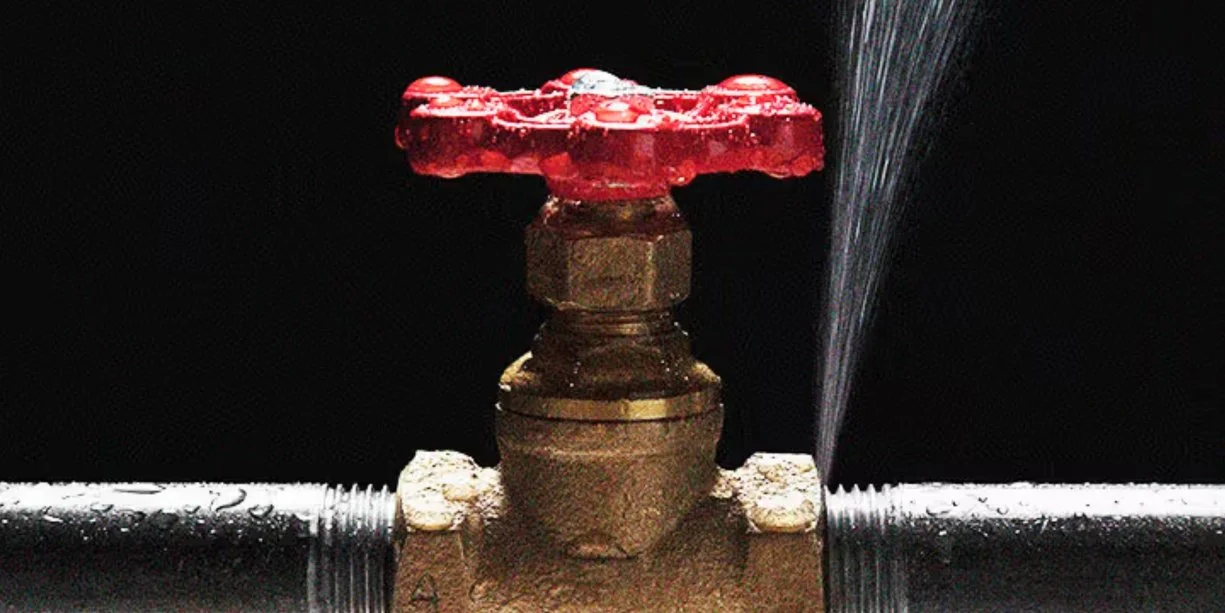
In high-pressure and high-temperature service, seal failure is a major safety risk. Standard soft seals often degrade quickly in steam or chemical environments. When sealing surfaces break down, leaks can escalate rapidly.
Safety-focused valve design prioritises:
• Metal-to-metal sealing where soft seats cannot survive
• High-temperature packing materials
• Live-loaded packing systems that maintain constant sealing force
• Regular inspection and replacement schedules
A small leak in a critical service can quickly become dangerous. Maintaining seal integrity is one of the most important preventive safety strategies.
Routine Inspection and Preventive Maintenance
Even the highest-rated valves require structured maintenance. Preventive maintenance is the strongest defence against unexpected valve failure.
Critical service valves should follow strict inspection intervals that include:
• Visual inspection for thermal damage or corrosion
• Torque checks and actuator verification
• Pressure testing and seat leakage checks
• Packing condition assessment
• Verification of safety certifications
Maintenance teams should treat high-pressure and high-temperature valves as safety devices, not just mechanical components. Early detection prevents shutdowns and protects personnel.
Safety Standards and Certification Compliance

Valve safety is governed by international standards that exist to prevent failure in extreme environments. Using uncertified valves in critical applications is a serious safety mistake.
Common standards include:
• ASME pressure ratings
• API valve safety requirements
• ISO material certifications
• PED compliance for European installations
Compliance ensures valves have been tested for the conditions they are expected to survive. Certification is not paperwork — it is a measurable layer of safety.
Human Safety and Operational Risk
The final layer of valve safety is human protection. High-pressure steam and chemical systems carry enormous stored energy. A valve failure can cause burns, toxic exposure, or explosive release.
Safety planning should include:
• Shielding and protective barriers
• Emergency isolation procedures
• Operator training on valve behaviour
• Lockout/tagout protocols
• Clear labelling of critical service valves
Engineering safety and human safety are inseparable in high-energy systems.
Conclusion
Valve safety in high-pressure and high-temperature applications requires a combination of correct materials, sound engineering, disciplined maintenance, and strict compliance with safety standards. Steam systems, chemical plants, and other critical services demand valves that are designed not only for performance, but for survivability.
When valve safety is prioritised, facilities experience fewer shutdowns, lower risk, and longer asset life.
In extreme environments, safety is not an upgrade — it is the foundation of reliable operation.
For more Valve Information, visit British Flow Control.