How Valve Actuators Work: Pneumatic vs Electric vs Hydraulic
Summary
• Pneumatic actuators are best suited for fast, fail-safe operation in hazardous or high-cycle industrial environments where compressed air is available.
• Electric actuators provide high precision and easy integration with modern automation systems, making them ideal for controlled process and building applications.
• Hydraulic actuators deliver maximum force and durability, designed for heavy-duty valves and extreme operating conditions where torque demand is critical.

Valve actuators are the driving force behind automated flow control in industrial systems. Whether used in steam plants, water treatment facilities, oil and gas installations, or manufacturing lines, valve actuators convert energy into motion to open, close, or modulate valves with precision. Understanding how pneumatic actuators, electric actuators, and hydraulic actuators work is essential for selecting the right solution for reliability, safety, and performance.
This guide explains the differences between actuator types, their applications, and their advantages and limitations from a practical engineering perspective.
What Is a Valve Actuator?
A valve actuator is a mechanical device that automatically moves a valve without manual intervention. Instead of a handwheel or lever, actuators use air pressure, electricity, or hydraulic fluid to generate torque or linear force. In automated process systems, actuators allow:
Remote operation
Faster response times
Consistent positioning
Integration with control systems
Valve actuators are critical in industries where precision control, safety shutdowns, and repeatable motion are required. Choosing the correct actuator type affects energy efficiency, maintenance cost, and long-term reliability.
Pneumatic Valve Actuators
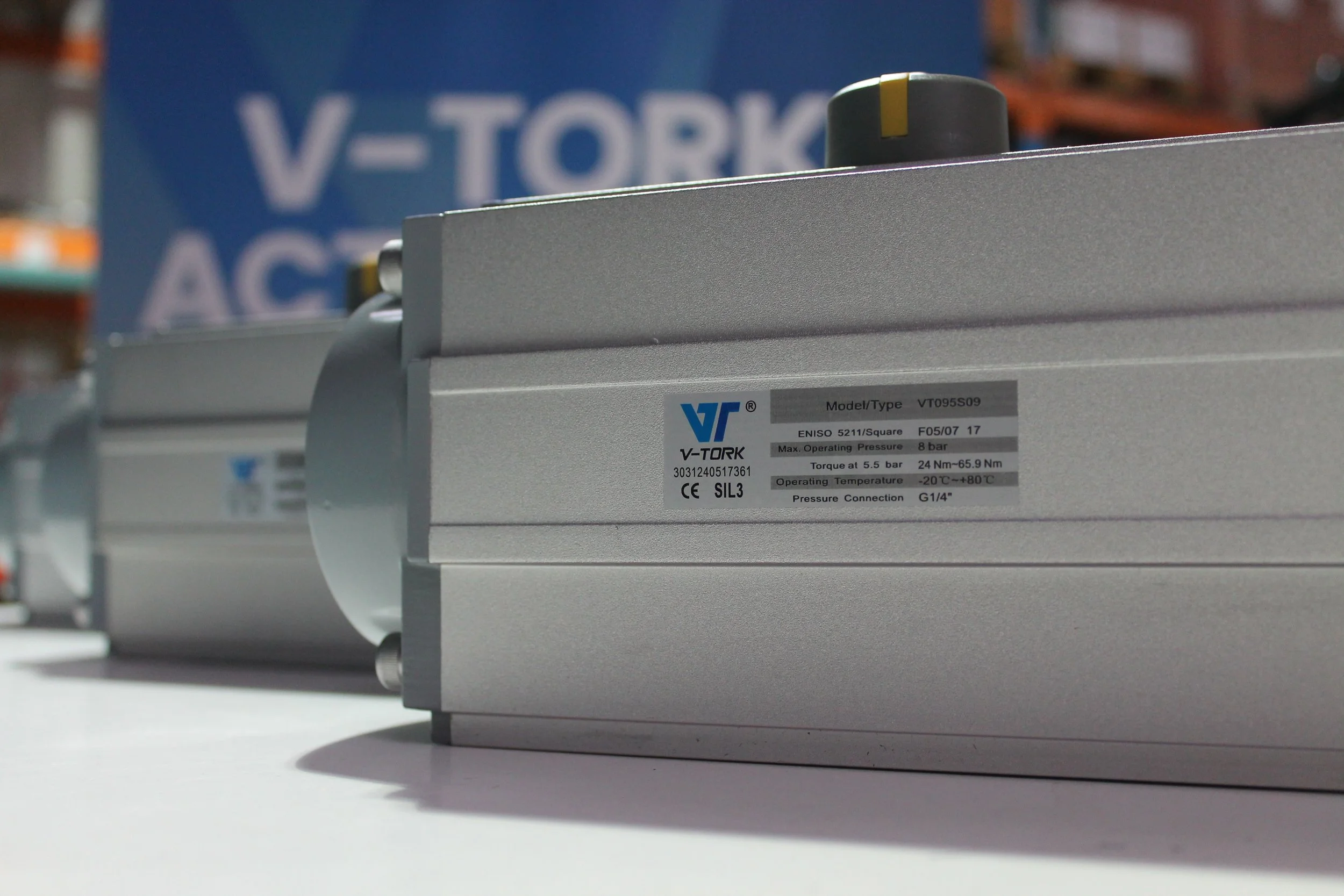
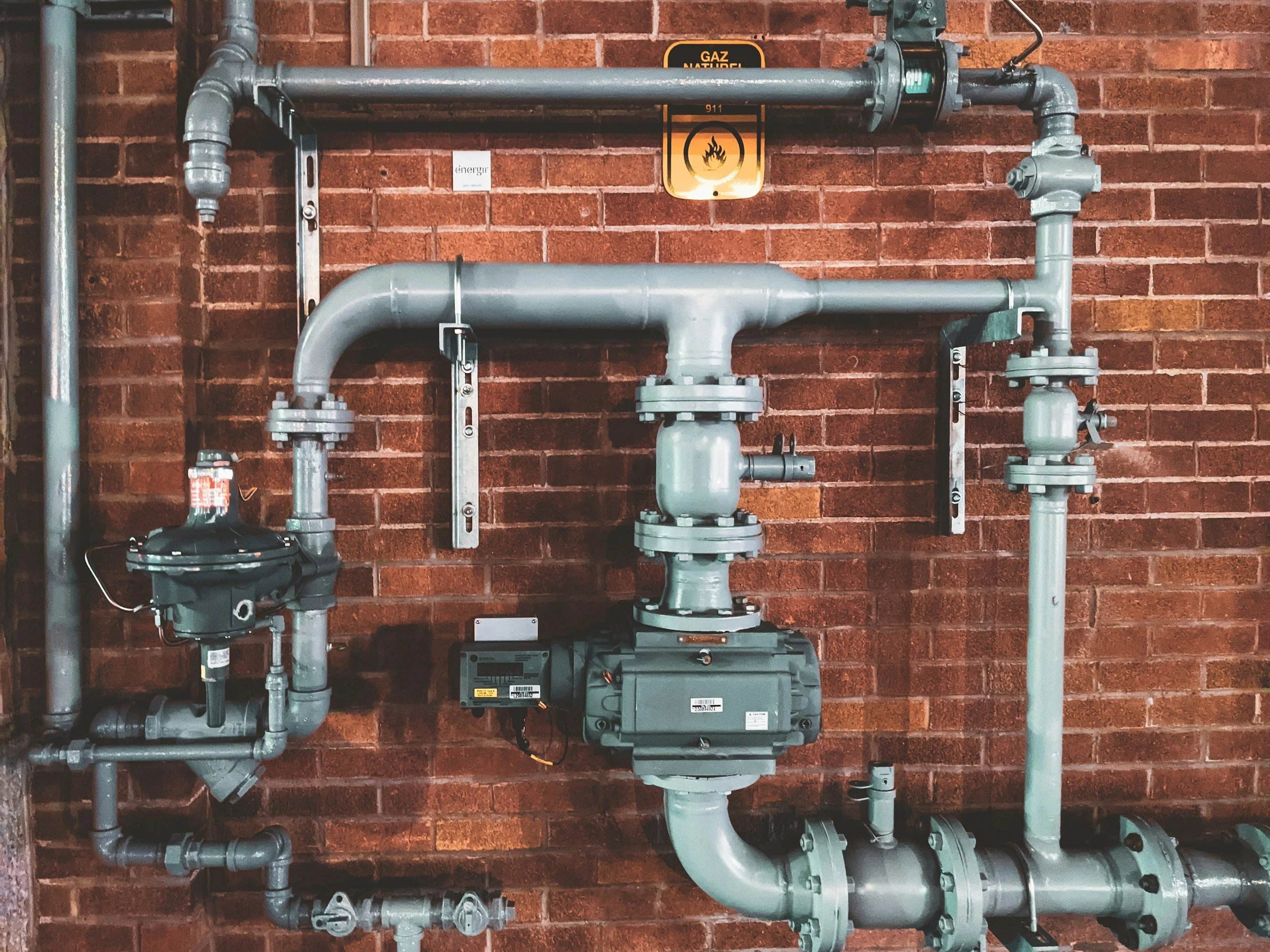
Pneumatic actuators operate using compressed air. Air pressure enters a chamber and moves a piston or diaphragm, creating mechanical motion that turns or lifts the valve.
Pneumatic valve actuators are widely used because they are fast, simple, and reliable.
Applications
Pneumatic actuators are common in:
Chemical processing plants
Steam and thermal systems
Water and wastewater facilities
Food and pharmaceutical production
They are especially preferred where rapid cycling or fail-safe operation is required.
Advantages
Fast response speed
Fail-safe spring return options
Explosion-safe operation
Simple mechanical design
Because they do not rely on electrical sparks, pneumatic actuators are ideal for hazardous environments.
Limitations
Requires compressed air infrastructure
Less precise positioning without accessories
Energy loss from air compression
While durable, pneumatic systems depend on clean, dry air to prevent wear and performance issues.
Electric Valve Actuators
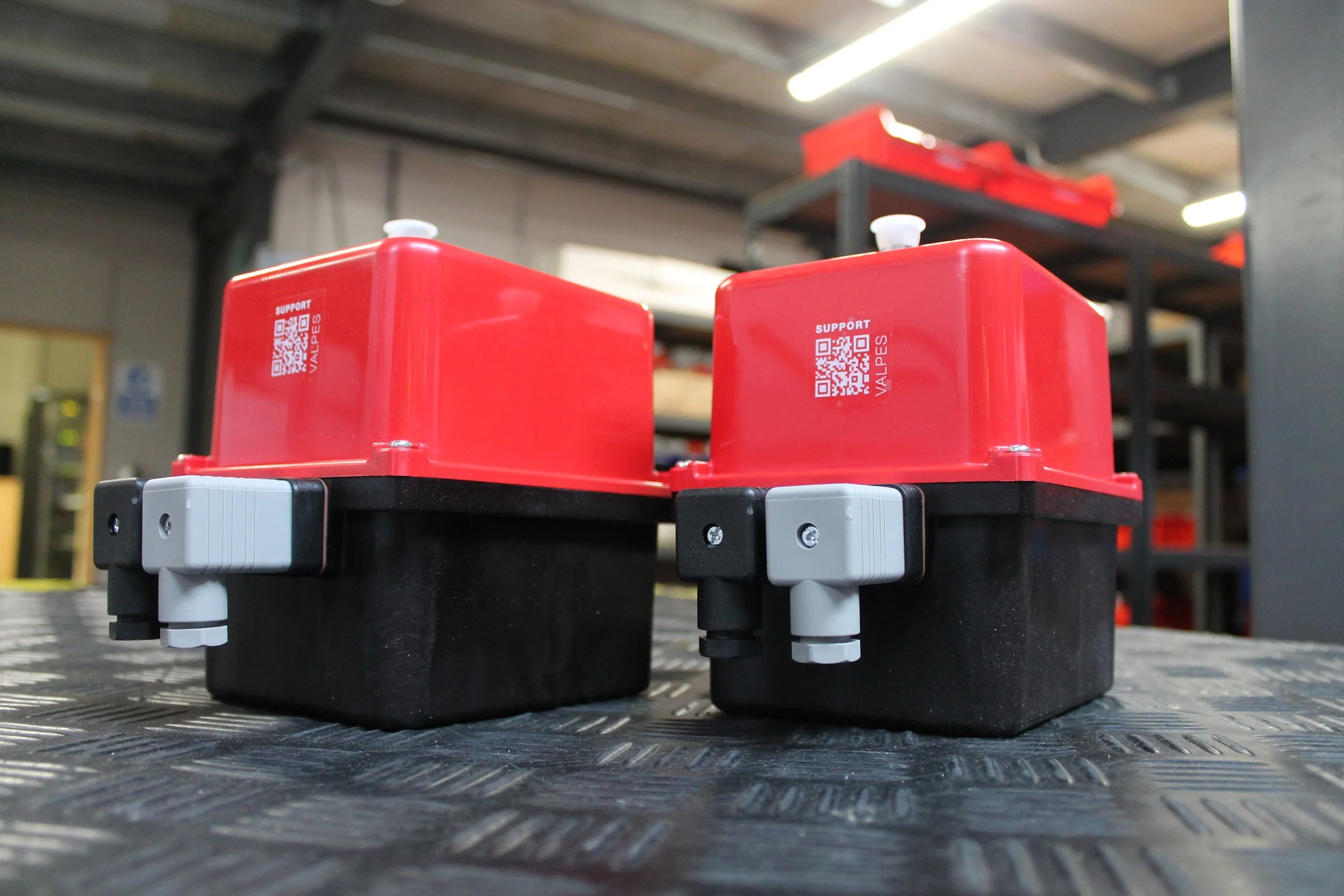
Electric actuators use an electric motor and gearbox to generate torque. A control signal from a PLC or controller determines valve position.
Electric valve actuators are known for precision and digital integration.
Applications
Electric actuators are often used in:
HVAC systems
Building automation
Water distribution networks
Industrial process control
They are preferred where accurate positioning and feedback are important.
Advantages
High positioning accuracy
Easy integration with automation systems
No compressed air required
Low operating noise
Electric actuators are efficient and clean, making them ideal for indoor or controlled environments.
Limitations
Slower than pneumatic systems
Sensitive to moisture and temperature
Not always suitable for hazardous zones
Electrical protection and enclosure ratings are critical for longevity.
Hydraulic Valve Actuators
Hydraulic actuators use pressurised fluid to produce extremely high force. Fluid pressure pushes a piston to create powerful movement.
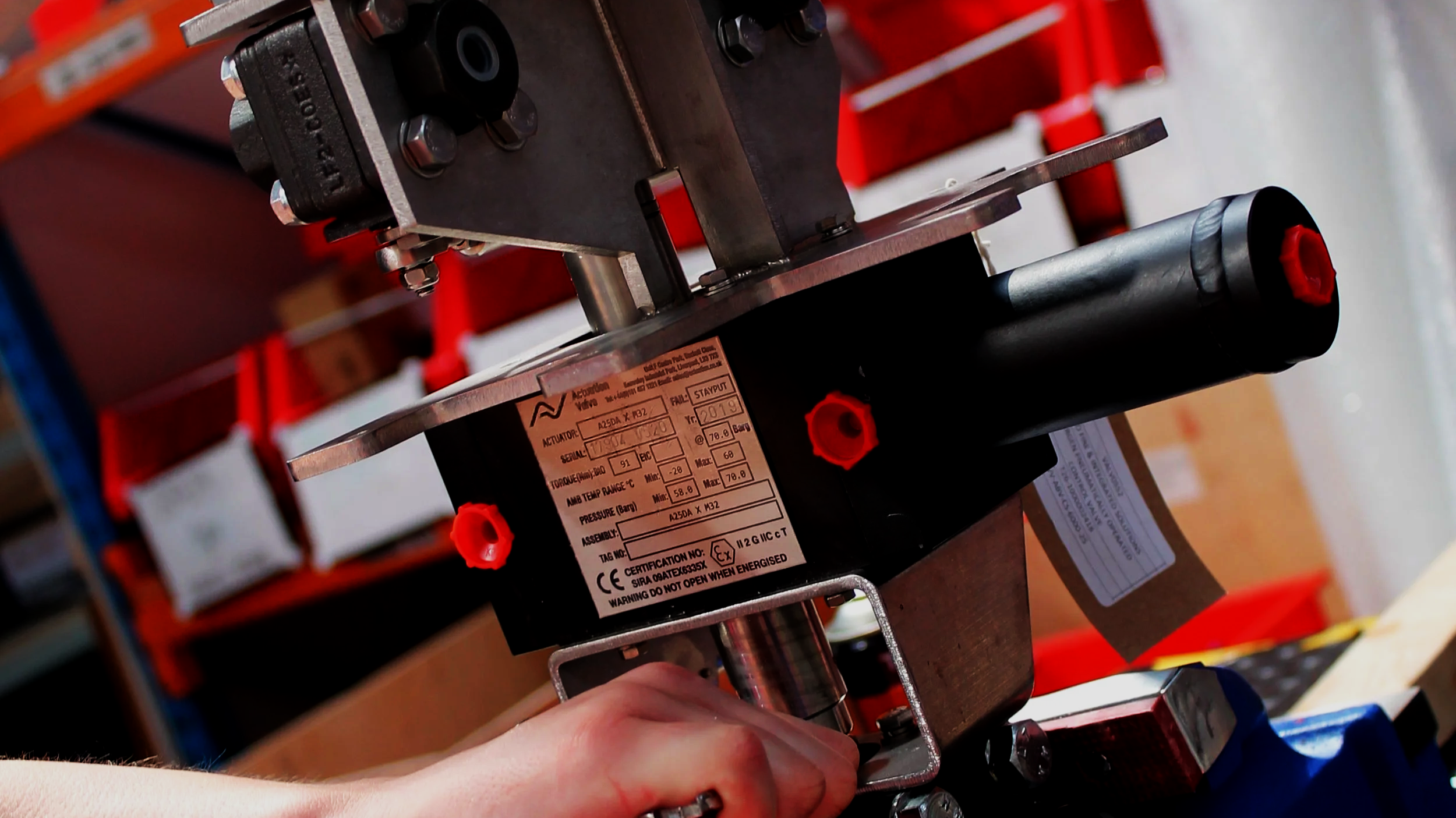
Hydraulic valve actuators deliver maximum torque and strength.
Applications
Hydraulic systems are common in:
Oil and gas pipelines
Heavy industrial machinery
Marine systems
High-pressure process plants
They are chosen when large valves require significant force.
Advantages
Very high torque output
Smooth and controlled motion
Handles heavy loads easily
Reliable in extreme environments
Hydraulic actuators excel in demanding mechanical conditions.
Limitations
Complex system design
Potential fluid leaks
Higher maintenance requirements
More expensive infrastructure
Hydraulic systems require careful sealing and fluid management.
Comparing Pneumatic vs Electric vs Hydraulic Actuators
Each actuator type serves a different purpose. The best choice depends on environment, required force, speed, and control accuracy.
Pneumatic actuators are best for speed and safety.
Electric actuators are best for precision and automation.
Hydraulic actuators are best for power and heavy-duty operation.
Engineers often evaluate:
Torque requirements
Response speed
Fail-safe needs
Environmental conditions
Energy availability
There is no universal winner — only the best fit for the application.
Choosing the Right Valve Actuator
Selecting the correct valve actuator improves uptime, efficiency, and safety. A poorly matched actuator can cause valve wear, slow response, or operational failure.
Key factors to consider include:
Valve size and torque demand
Control system compatibility
Hazardous area classification
Maintenance accessibility
Operating environment
Consulting actuator specialists ensures proper sizing and long-term reliability.
Conclusion
Valve actuators are essential components of automated process control. Pneumatic actuators provide speed and safety, electric actuators deliver precision and integration, and hydraulic actuators offer unmatched power. Understanding how each system works allows engineers and maintenance teams to choose the most efficient and dependable solution.
Proper actuator selection directly impacts performance, energy use, and system lifespan — making it one of the most important decisions in valve automation.