Valve Storage & Preserving Equipment Between Projects
Summary
Controlled valve storage environments prevent corrosion, seal damage, and contamination, protecting reliability when equipment returns to service
Correct positioning, sealing protection, and periodic inspection extend valve and actuator lifespan, reducing unexpected failures
Preservation is preventative maintenance, lowering lifecycle costs and avoiding commissioning problems between projects

Proper valve storage is one of the most overlooked parts of asset management. Yet poor storage conditions are a major cause of premature seal failure, corrosion, actuator damage, and costly downtime when equipment is returned to service. Whether valves are being held as spare stock or stored between shutdowns, controlled storage practices protect sealing surfaces, internal trim, and actuator components. Good valve storage is not just housekeeping — it is preventative maintenance that extends service life and protects investment.
Why Valve Storage Matters
Industrial valves and actuators are precision mechanical assemblies. Seats, seals, bearings, stems, and internal trim are designed to operate within tight tolerances. Exposure to moisture, dust, UV light, temperature swings, or chemical vapours can degrade elastomers, attack machined surfaces, and contaminate lubrication.
The most common storage-related failures include dried or cracked soft seats, corrosion on stem surfaces, actuator seal shrinkage, and contamination inside the valve body. These issues often go unnoticed until commissioning, when leaks or mechanical resistance appear. Correct valve preservation ensures equipment performs as intended even after long periods of inactivity.
Environmental Control During Storage
Storage environment is the single biggest factor in preserving valves and actuators. Equipment should be kept indoors whenever possible in a clean, dry, temperature-stable space. Ideal storage conditions include low humidity, minimal airborne contaminants, and protection from direct sunlight.
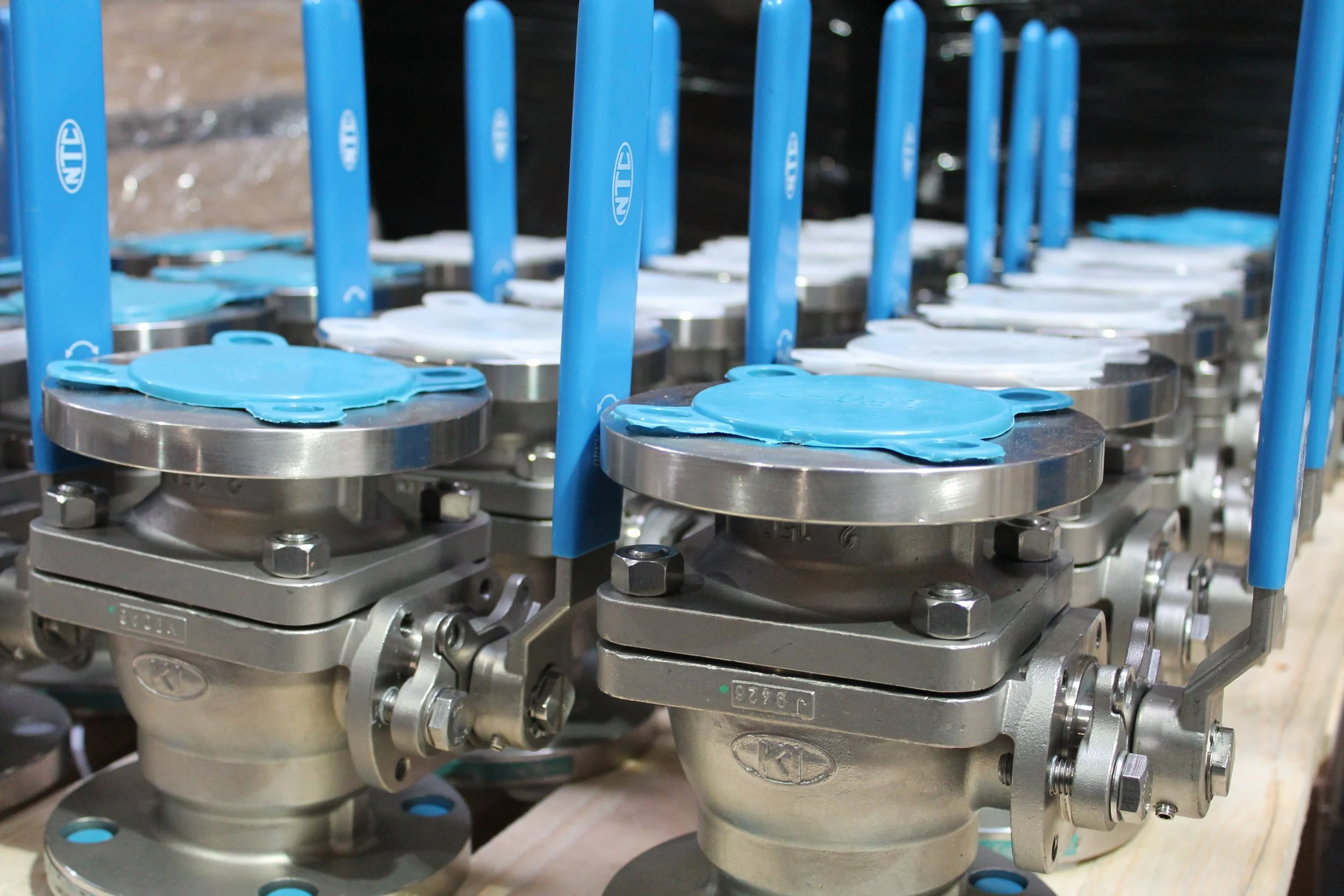
Temperature fluctuations can cause condensation inside valve bodies. This trapped moisture leads to internal corrosion and damaged seating surfaces. Climate-controlled storage reduces this risk.
If indoor storage is not available, equipment should be raised off the ground, fully covered, and protected from rain and UV exposure.
Valves should never be stored directly on bare concrete. Moisture migrates through concrete slabs and accelerates corrosion. Pallets, racks, or sealed crates provide an effective barrier.
Temperature fluctuations can cause condensation inside valve bodies. This trapped moisture leads to internal corrosion and damaged seating surfaces. Climate-controlled storage reduces this risk. If indoor storage is not available, equipment should be raised off the ground, fully covered, and protected from rain and UV exposure.
Valves should never be stored directly on bare concrete. Moisture migrates through concrete slabs and accelerates corrosion. Pallets, racks, or sealed crates provide an effective barrier.
Protecting Seals, Seats, and Internal Surfaces
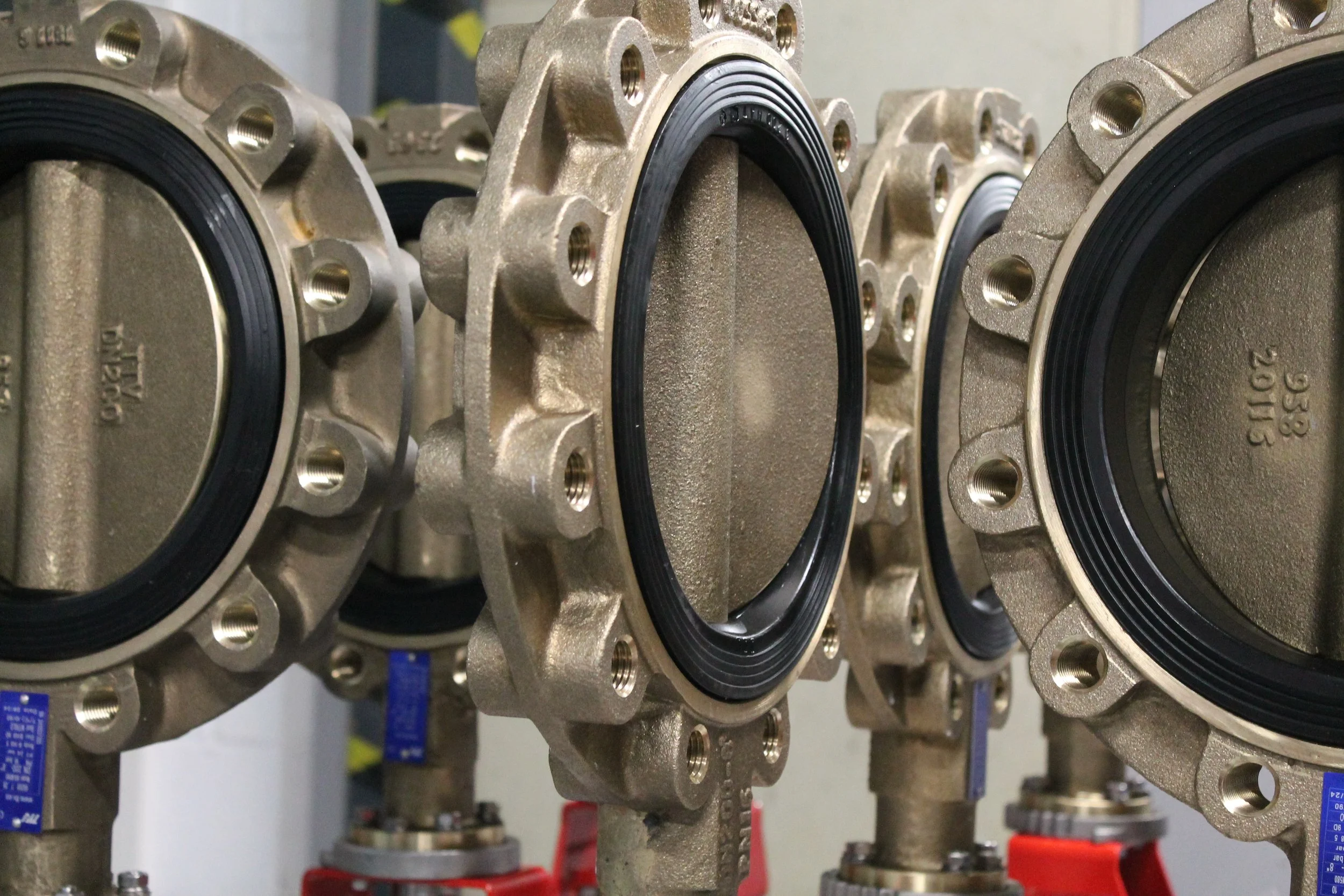
Soft-seated valves require special attention. Elastomeric materials can deform if stored under compression for long periods. Valves should be stored in a slightly open position to prevent seat damage and seal memory distortion.
End caps or protective covers must remain installed to keep debris out of the valve bore. Foreign particles inside a valve can score sealing surfaces and cause leakage on startup. For long-term storage, applying a light protective coating to internal metal surfaces helps prevent oxidation.
Actuators should be stored with ports sealed and mechanical linkages protected. Dust or moisture entering an actuator can damage internal seals and bearings.
Lubrication and Preservation Measures
Lubricated components can dry out over time, especially in warm storage areas. Periodic inspection ensures stems and moving parts remain properly protected. For extended storage, reapplication of manufacturer-approved preservation grease may be required.
Metal-to-metal seated valves benefit from anti-corrosion coatings or vapour phase inhibitors during long storage periods. These treatments protect machined surfaces without interfering with later commissioning.
Documentation is also part of preservation. Each stored valve should have clear tagging that records inspection dates, storage duration, and preservation measures applied. This ensures traceability and prevents forgotten equipment from degrading unnoticed.
Handling and Positioning During Storage
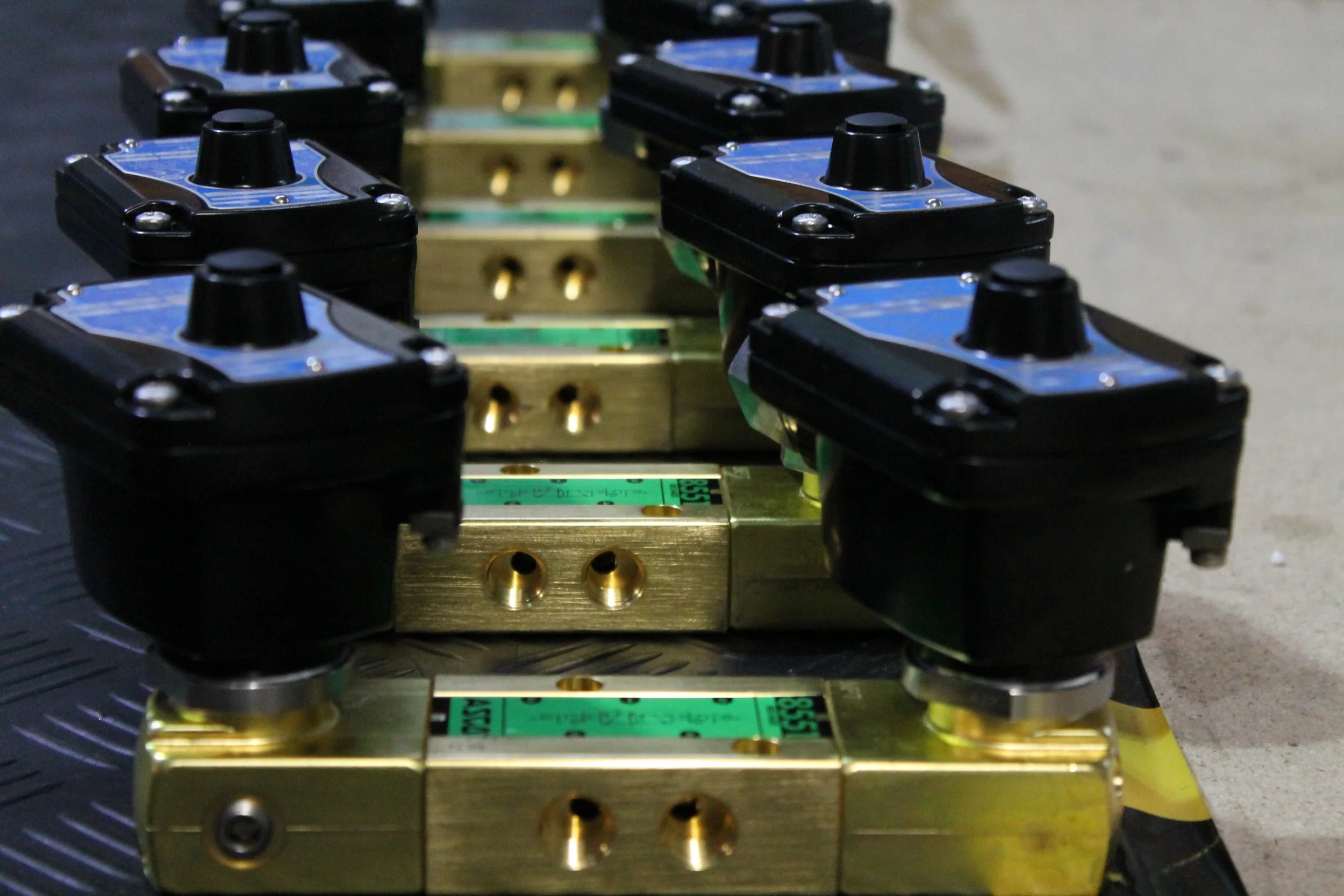
Incorrect handling causes more damage than many people realise. Valves should never be lifted by actuators, handwheels, or tubing.
Proper lifting points must be used to avoid bending stems or stressing actuator mounts.
Storage orientation matters. Heavy valves should be supported to avoid strain on flanges and shafts.
Large actuated assemblies benefit from custom supports that keep weight evenly distributed.
Preparing Stored Valves for Return to Service
Before reinstalling stored equipment, a visual inspection is essential. Check sealing surfaces, actuator movement, and protective coatings. Remove any preservation materials and verify free mechanical operation.
Pressure testing or functional testing may be required depending on storage duration and criticality of the application. Taking time to recommission correctly avoids startup failures and unplanned shutdowns.
Long-Term Value of Proper Valve Preservation
Good valve storage practices reduce lifecycle cost, protect safety-critical equipment, and ensure reliability when systems return to operation. Storage is not downtime — it is part of the asset’s operational journey. Companies that treat preservation seriously experience fewer commissioning issues, less emergency repair work, and longer valve service intervals.
Investing in proper valve storage is ultimately investing in uptime.