What Is Control Valve Calibration?
Summary
• Control valve calibration ensures precise valve positioning, protecting process stability, safety, and equipment lifespan.
• Regular calibration reduces wear, energy waste, and operational risk, keeping industrial systems efficient and predictable.
• Using certified calibration tools and structured procedures guarantees reliable valve performance in real-world applications.
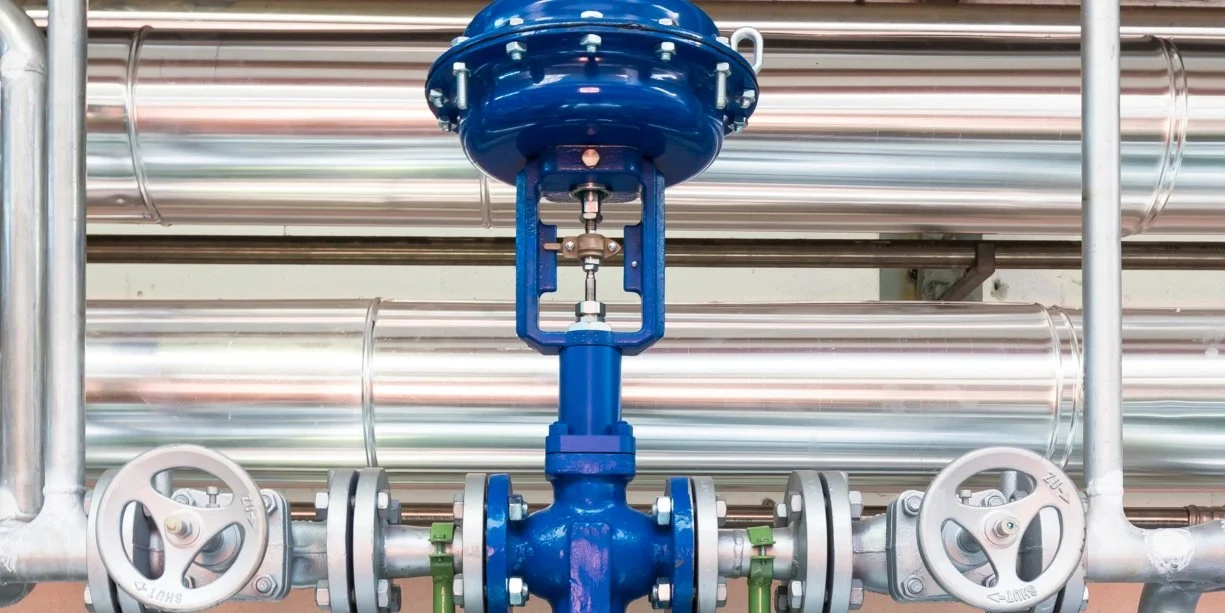
Control valve calibration is the process of verifying and adjusting a valve’s positioner, actuator, and feedback signals so the valve responds accurately to control inputs. In industrial systems, a control valve must open and close in precise increments to maintain pressure, temperature, and flow. If calibration drifts even slightly, system performance suffers.
Accurate control valve calibration ensures the valve stroke matches the signal range, typically 4–20 mA or pneumatic input. A properly calibrated valve moves smoothly, repeats positions consistently, and reaches full travel without hesitation. Calibration is not just a commissioning task — it is a critical part of preventative maintenance.
Over time, mechanical wear, vibration, temperature cycling, and contamination can affect valve response. Without recalibration, even a high-quality control valve can begin to overshoot, lag, or hunt. These small inaccuracies compound into process instability, energy waste, and premature equipment failure.
Why Control Valve Calibration Matters
A poorly calibrated valve does more than reduce efficiency — it can create serious operational risk. Calibration directly impacts process safety, product quality, and energy consumption. In industries such as steam systems, chemical processing, and water treatment, even minor control errors can lead to costly downtime.
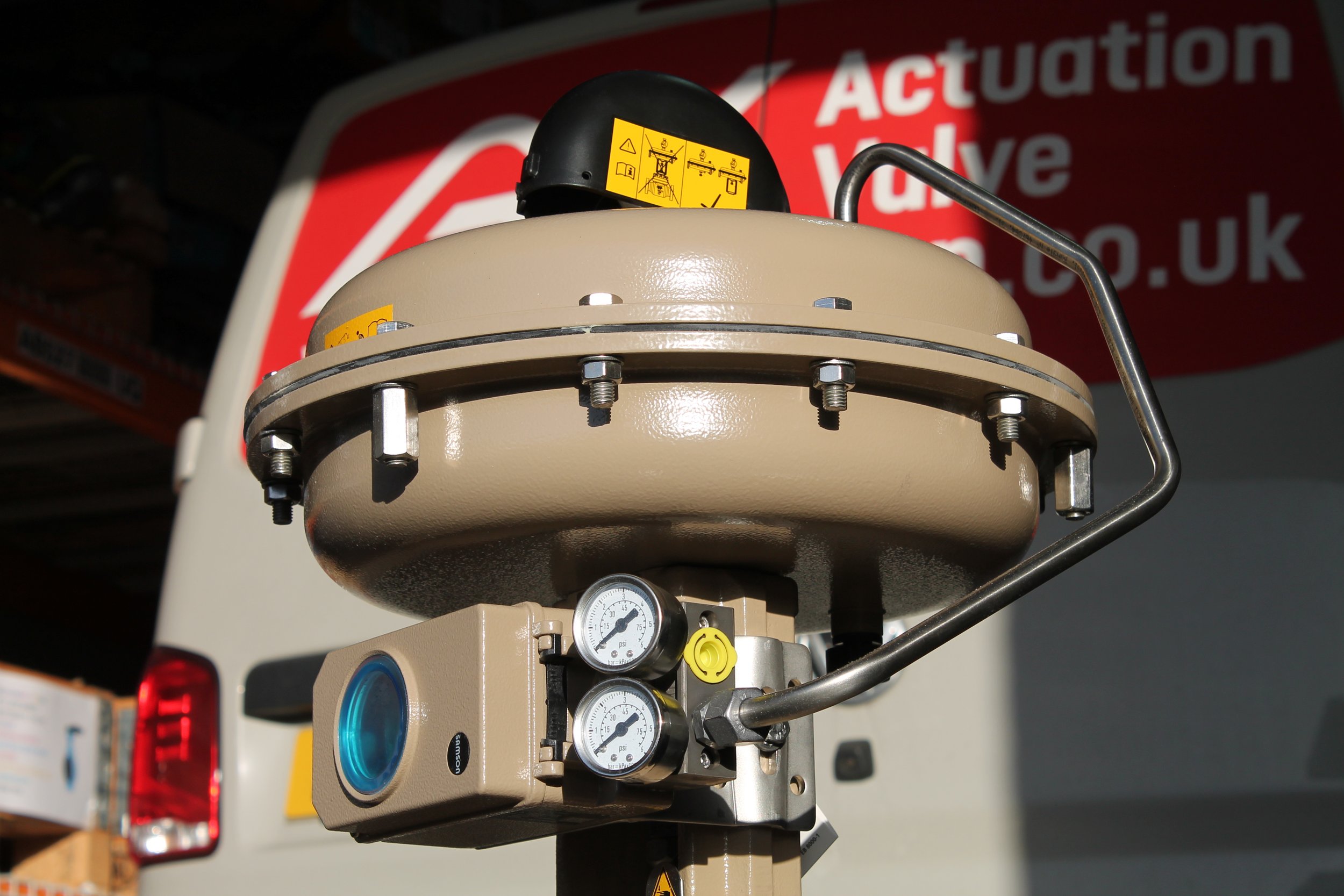
One major benefit of calibration is repeatable positioning accuracy. When the control system requests 50% open, the valve must reliably reach 50% — not 45%, not 60%.
Repeatability ensures predictable process control. Without it, operators compensate manually, masking underlying problems that worsen over time.
Calibration also protects the actuator and valve internals. Misaligned or over-traveling valves experience excessive wear, damaging seats, stems, and packing.
Regular calibration reduces mechanical stress and extends service life.
From an energy standpoint, improperly calibrated control valves often cause pumps and compressors to work harder than necessary. Optimised valve control lowers operating costs and supports sustainable plant performance.
Common Tools Used in Control Valve Calibration
Control valve calibration relies on specialised tools that measure signal accuracy and mechanical response. The most common instrument is a loop calibrator, used to simulate and measure 4–20 mA signals. This allows technicians to verify that electrical inputs match valve movement.
A pressure calibrator is used for pneumatic systems, ensuring the air signal corresponds correctly to valve travel. Many facilities also use smart positioner diagnostics tools that connect digitally to modern valve controllers. These tools provide live feedback, travel curves, and performance data.
Dial indicators and travel gauges help confirm mechanical stroke accuracy. These simple tools are critical for verifying full open and full closed positions. In advanced calibration setups, technicians may use portable valve analysers that record hysteresis, deadband, and response speed.
The key is precision. Calibration tools must themselves be certified and traceable to recognised standards. Accurate tools are essential to achieving accurate valves.
How Control Valve Calibration Is Done
Calibration follows a structured process designed to eliminate guesswork. The valve is first isolated safely from the system and inspected for mechanical damage. Any worn components must be repaired before calibration begins, otherwise adjustments will not hold.
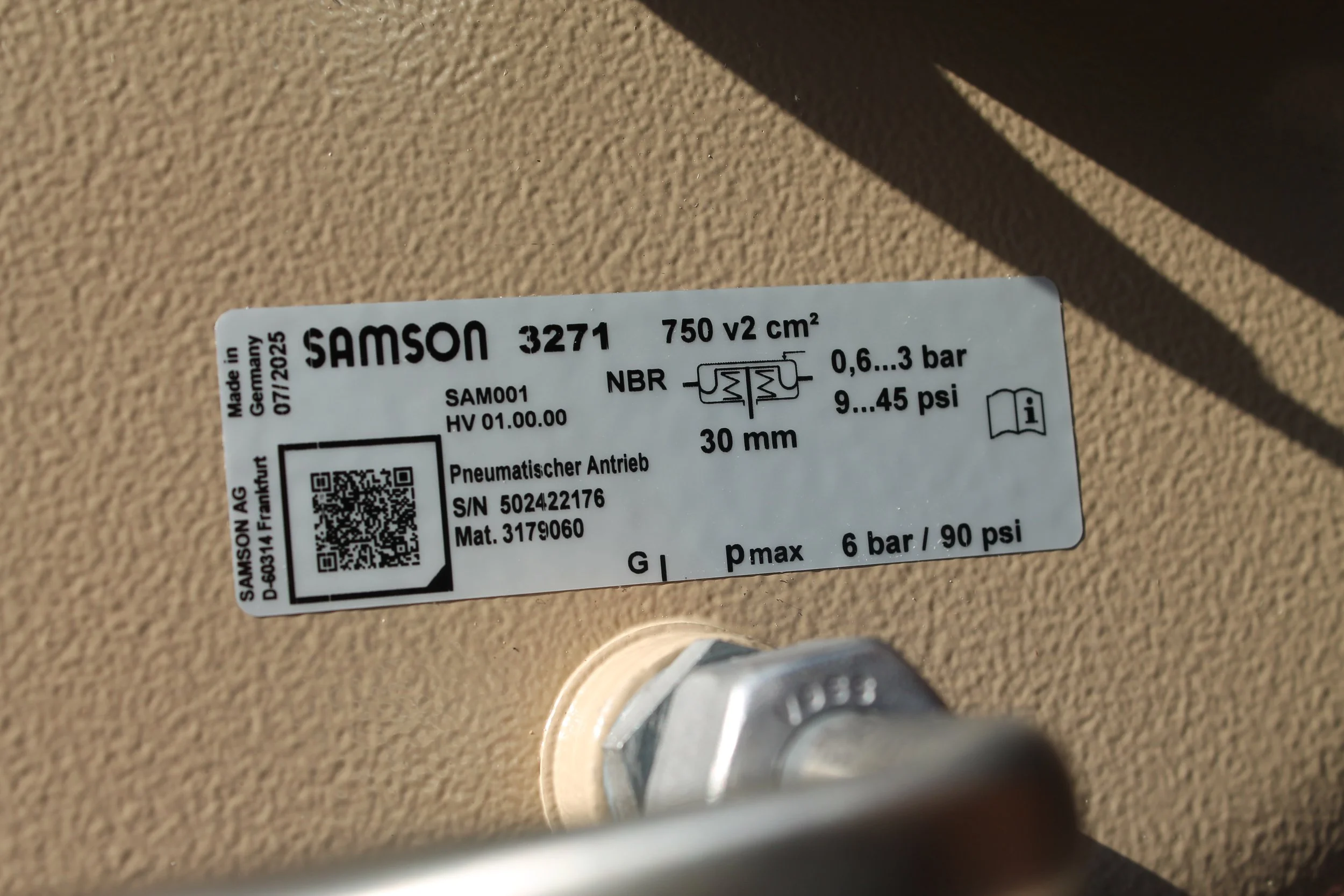
Technicians then apply a known input signal and observe valve travel. At 0%, 25%, 50%, 75%, and 100% input, the valve position is measured and compared against specification.
Adjustments are made at the positioner to align signal and movement.
The process includes checking linearity, repeatability, and deadband. A properly calibrated valve should return to the same position every time the signal is repeated.
Consistency is just as important as accuracy.
Once calibration is complete, the valve is cycled multiple times to confirm stability. Documentation is recorded, including before-and-after measurements. This creates a performance baseline for future maintenance.
Real-World Field Examples
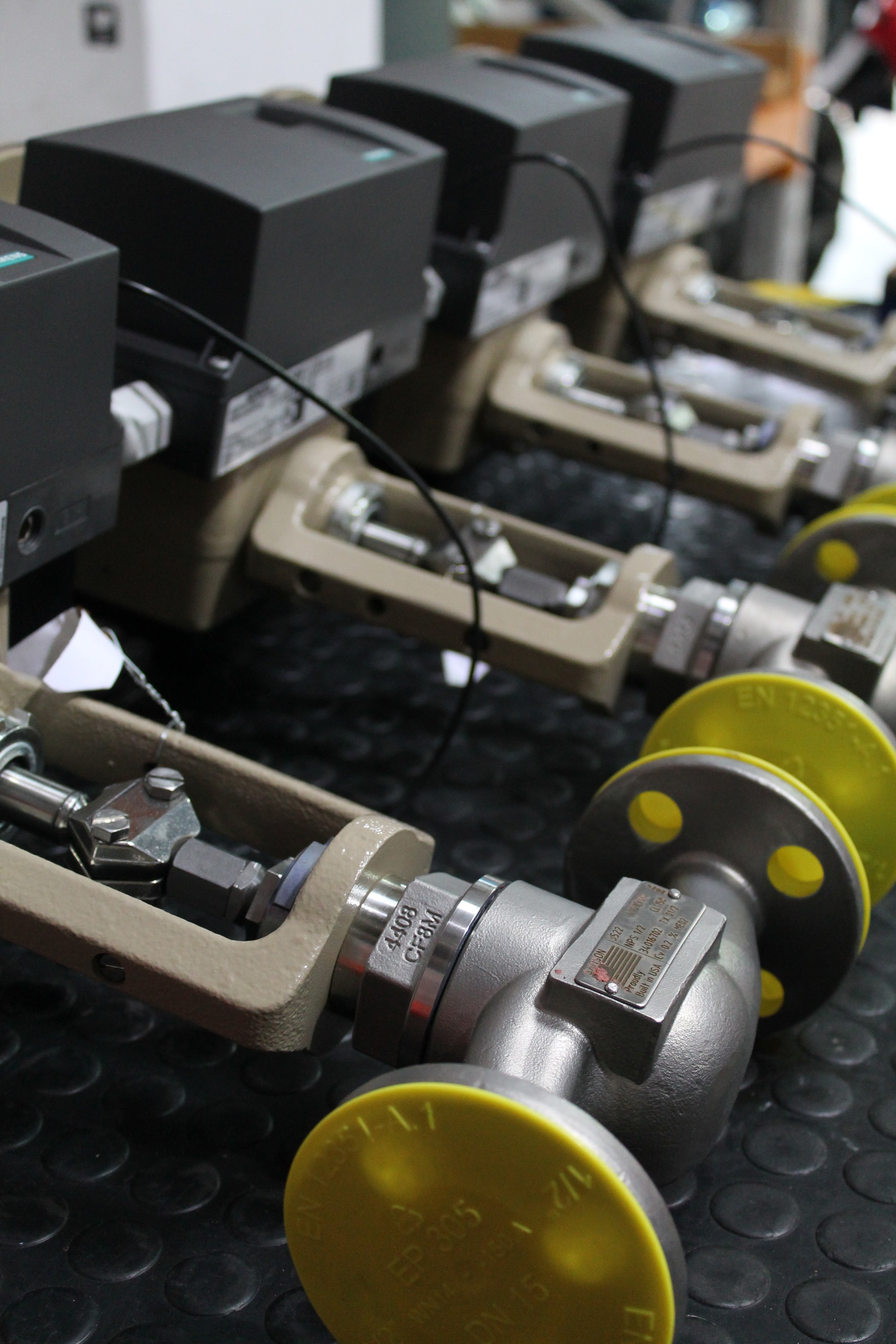
In steam control applications, an uncalibrated valve may oscillate rapidly, causing pressure swings that stress downstream equipment. After calibration, the same valve can deliver stable pressure control, reducing vibration and extending system life.
In chemical dosing systems, even small calibration errors lead to incorrect mixture ratios. Field recalibration has been shown to restore product consistency and eliminate batch rejection.
Water treatment plants frequently encounter valves that stick near mid-stroke due to sediment buildup. After cleaning and recalibration, technicians observe smooth modulation and improved flow control, reducing energy use in pump systems.
These real-world cases highlight a simple truth: calibration is not optional maintenance — it is performance insurance.
Conclusion
Control valve calibration is a foundational practice in any industrial maintenance program. It protects equipment, stabilises processes, and lowers operating costs. A calibrated valve is a reliable valve, and reliability is what keeps plants running safely and efficiently.
Ignoring calibration may not cause immediate failure, but it steadily erodes performance until breakdown becomes inevitable. Regular calibration ensures every control signal translates into accurate valve movement, preserving both productivity and safety.