What Is Valve Pressure Testing?
Summary
Valve pressure testing confirms structural integrity, sealing performance, and safe operation, helping prevent leaks, downtime, and dangerous system failures
Hydrostatic testing is safer and ideal for strength verification, while pneumatic testing is more sensitive for detecting fine leaks but requires stricter safety controls
Accurate procedures, documentation, and safety discipline are essential, because pressure testing is both a quality check and a critical risk-prevention step
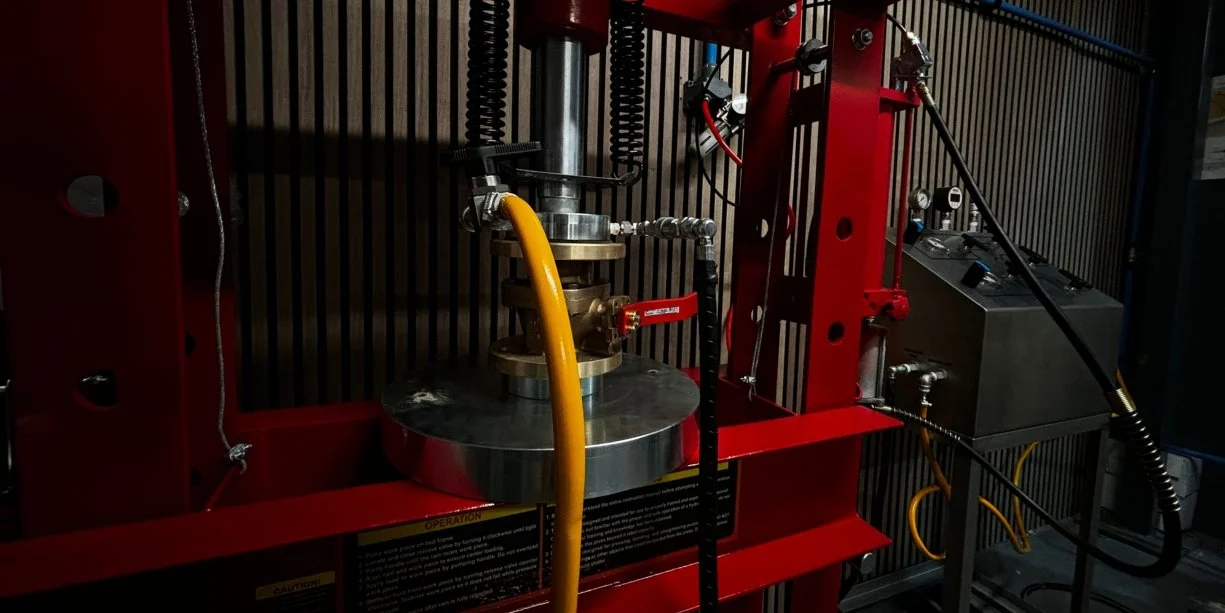
Valve pressure testing is the controlled process of verifying that a valve can hold pressure, seal correctly, and operate safely under working conditions.
In industrial systems, pressure testing is essential because valves are often the final barrier between safe operation and catastrophic failure. A properly tested valve confirms structural integrity, seat tightness, and compliance with industry standards before installation or return to service.
Pressure testing is used after manufacturing, during refurbishment, and as part of preventative maintenance programs. Skipping or rushing valve pressure testing can lead to leaks, downtime, equipment damage, and safety risks, especially in steam, oil & gas, chemical, and water systems.
Hydrostatic Valve Pressure Testing
Hydrostatic testing is the most common valve pressure testing method. It uses water or another incompressible fluid to apply pressure to the valve body and seat.
The key advantage of hydrostatic testing is safety. Because water is incompressible, stored energy is minimal compared to compressed gas. This makes hydrostatic testing ideal for high-pressure verification.
During a hydrostatic test:
The valve is filled completely with liquid
Air pockets are removed
Pressure is gradually increased to the specified test value
The valve is held under pressure for a defined period
Inspectors look for leaks, distortion, or pressure loss
A stable pressure reading confirms body integrity and seat sealing performance. Even a minor drop may indicate a sealing issue or structural weakness.
Hydrostatic testing is commonly used for:
Body shell strength testing
Seat leakage testing
Refurbished valve validation
Factory acceptance testing
Pneumatic Valve Pressure Testing
Pneumatic testing uses compressed air or gas instead of liquid. This method is typically chosen when water cannot be used due to contamination risk, drying concerns, or material sensitivity.
However, pneumatic testing carries significantly higher risk because compressed gas stores large amounts of energy. A failure under pneumatic conditions can be violent. For this reason, strict safety controls are required.
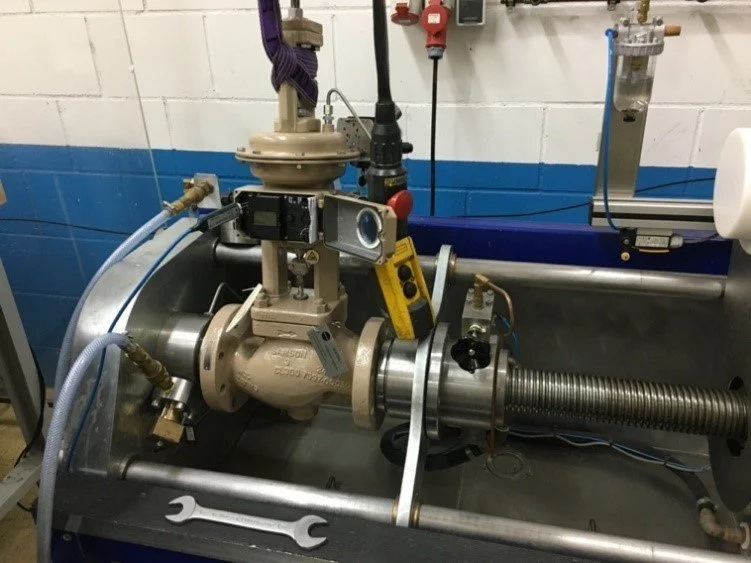
Pneumatic testing involves:
Securing the valve in a protected test enclosure
Gradually introducing air or inert gas
Monitoring pressure with calibrated instruments
Using leak detection fluid or acoustic sensors
Maintaining safe operator distance
Pneumatic testing is more sensitive to small leaks, making it useful for fine seat leakage checks and precision validation.
Valve Pressure Testing Procedures
A structured testing procedure ensures repeatable, compliant results. Professional valve pressure testing follows documented standards such as API, ISO, or manufacturer specifications.
A typical procedure includes:
Visual inspection before testing – confirm assembly condition
Cleaning and removal of debris
Proper fixture mounting
Calibration check of pressure gauges
Controlled pressure ramp-up
Hold period monitoring
Leak inspection
Gradual pressure release
Final inspection and documentation
Documentation is critical. Every pressure test should generate records including test pressure, duration, pass/fail status, and inspector sign-off. This ensures traceability and compliance.
Safety Considerations During Pressure Testing
Valve pressure testing must prioritize operator safety. Even hydrostatic testing can become dangerous if procedures are ignored.
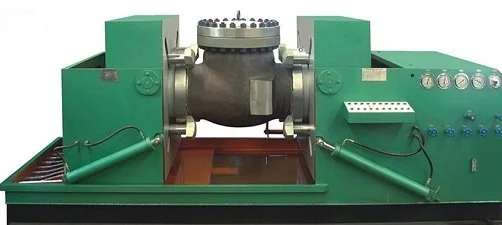
Key safety principles include:
Never exceed rated test pressure
Use calibrated pressure relief devices
Secure valves against movement
Keep non-essential personnel clear
Wear appropriate PPE
Use barriers or blast shields for pneumatic tests
Release pressure slowly and safely
Pressure testing accidents are almost always preventable when procedures are followed.
Interpreting Valve Pressure Test Results
Understanding test results is just as important as performing the test itself. A successful valve pressure test confirms:
No visible external leakage
Stable pressure during hold period
Acceptable seat leakage within specification
No structural deformation
Proper operation after testing
If a valve fails, the result helps identify the root cause. Common failure indicators include:
Pressure decay
Visible seepage
Bubble formation in leak detection fluid
Seat instability
Structural distortion
A failed test is not just a rejection — it is a diagnostic tool. It guides repair decisions, machining needs, and component replacement.
Why Professional Valve Pressure Testing Matters
Industrial valves operate in environments where failure is expensive and dangerous. Professional pressure testing ensures that repaired or newly manufactured valves meet operational demands.
Reliable pressure testing protects assets, improves uptime, and prevents catastrophic leaks. It is not simply a quality check — it is a safety guarantee.
Whether validating a refurbished valve or commissioning a new system, pressure testing confirms performance before the valve ever sees real-world service.