What Is Valve Refurbishment?
Summary
• Valve refurbishment restores worn industrial valves to safe, manufacturer-level performance through structured disassembly, machining, reseating, and testing
• A professional refurbishment process is far more cost-effective than replacement while extending equipment life and maintaining operational reliability
• Rigorous inspection and pressure testing ensure refurbished valves return to service fully compliant, leak-free, and dependable
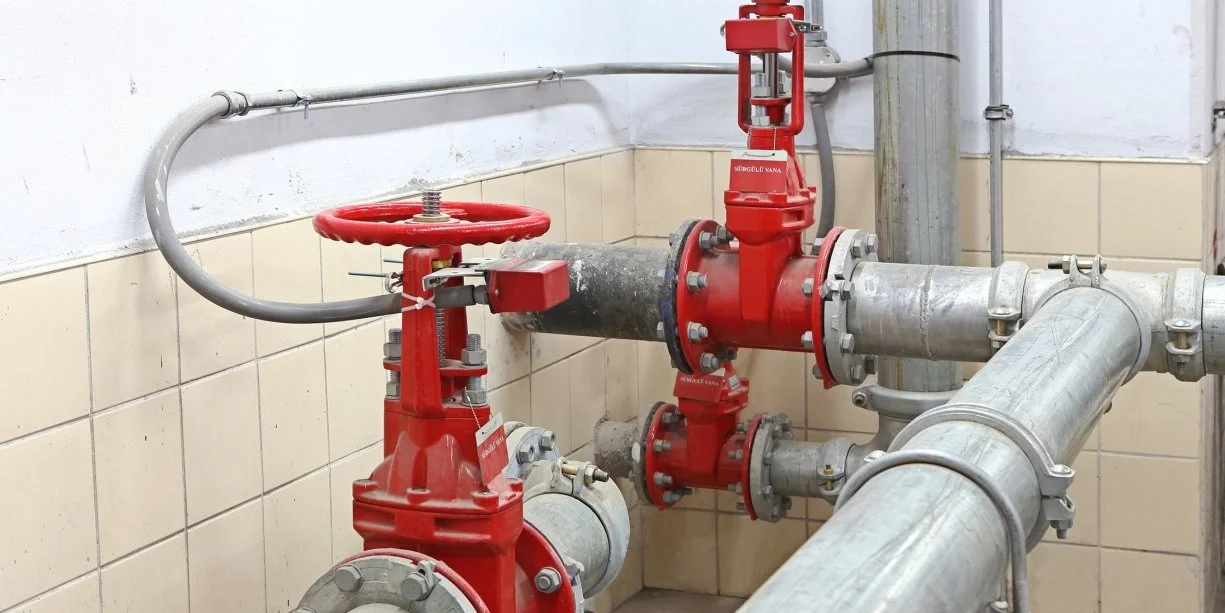
Valve refurbishment is the structured process of restoring worn, damaged, or aging industrial valves back to safe operating condition, often extending service life by years at a fraction of replacement cost. In industries where downtime is expensive and safety is critical, refurbishment plays a key role in asset management. Instead of discarding equipment, companies rely on professional valve refurbishment to rebuild performance, maintain compliance, and reduce capital expenditure.
A proper refurbishment is not a cosmetic repair. It is a technical workflow that involves disassembly, inspection, cleaning, machining, reseating, and performance testing. Each stage is designed to return the valve to manufacturer-level tolerances or better. When carried out correctly, a refurbished valve can perform indistinguishably from a new unit.
Why Valve Refurbishment Matters
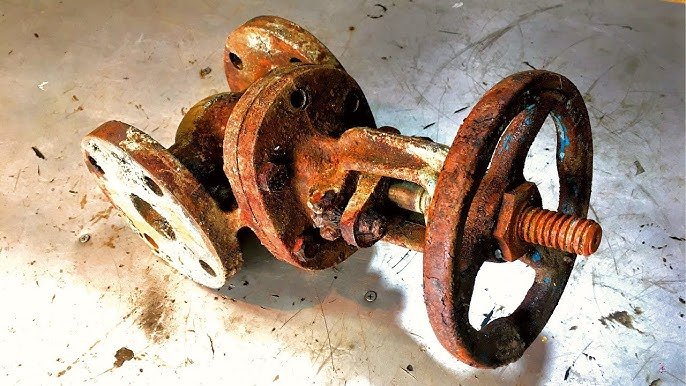
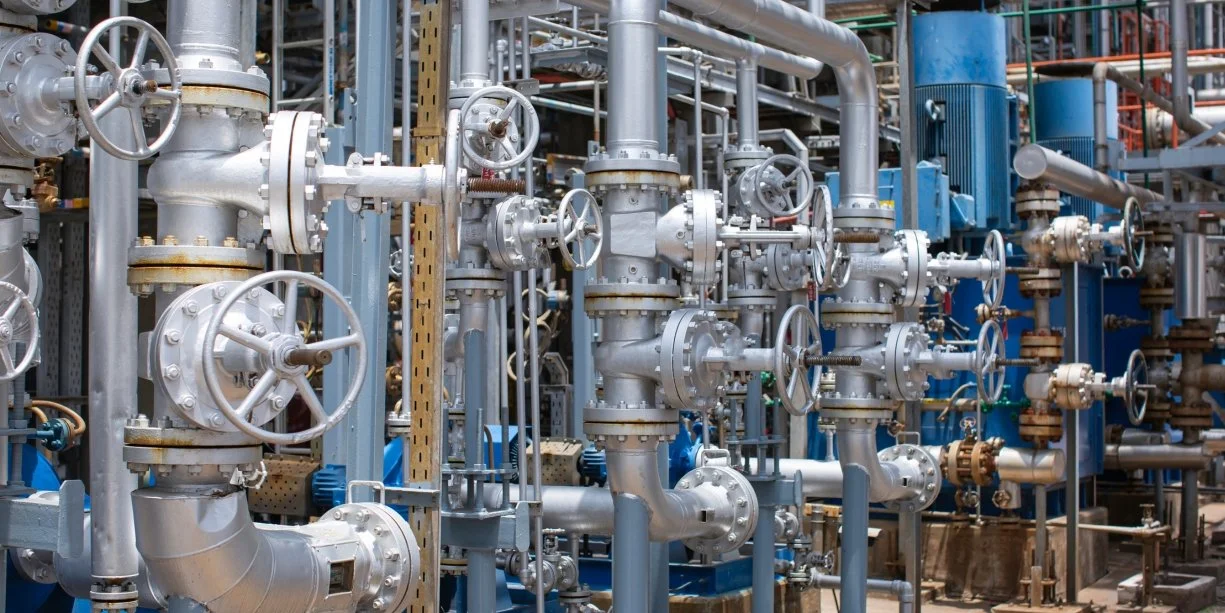
Industrial valves operate under constant stress — pressure, temperature cycling, corrosion, and flow erosion all take a toll over time. Left untreated, wear leads to leakage, inefficiency, and potential safety risks. Valve refurbishment addresses these issues before failure occurs.
A key advantage is cost efficiency. Refurbishment typically costs far less than full replacement, while maintaining reliability. It also reduces waste and supports sustainability by keeping usable components in service. For critical systems such as steam, water treatment, oil & gas, and process plants, refurbishment is often part of scheduled maintenance strategy.
Disassembly and Inspection
The refurbishment process begins with complete valve disassembly. Every component is separated and catalogued to ensure traceability. This step allows technicians to identify wear patterns, corrosion, cracking, and seal degradation.
Inspection is more than visual. Measurements are taken using calibrated tools to compare components against original tolerances. Seats, stems, discs, seals, and trim are carefully evaluated. Any parts outside acceptable limits are flagged for repair or replacement. Proper inspection ensures hidden faults are caught early rather than returning to service.
Cleaning and Surface Preparation
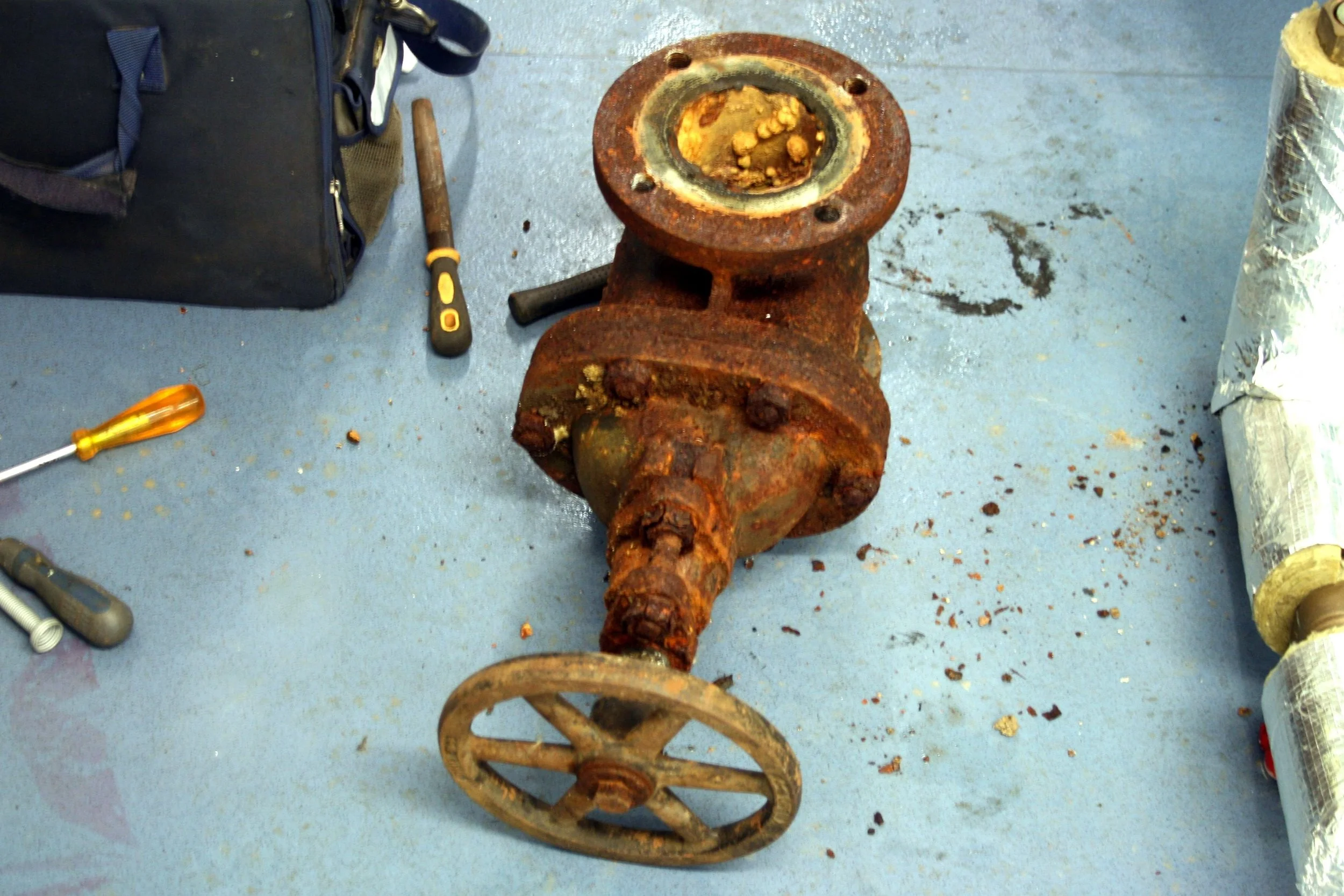
After inspection, all components undergo industrial cleaning. Deposits such as scale, rust, chemical residue, and hardened debris are removed using specialised methods like ultrasonic cleaning, blasting, or chemical baths.
Surface preparation is critical. A valve cannot seal correctly if contamination remains.
Cleaning restores surfaces so technicians can perform machining and reseating accurately. A clean component is the foundation of a reliable rebuild.
Machining and Component Restoration
Machining is where precision restoration happens. Worn sealing faces, stems, and guides are re-machined to restore geometry and smoothness. In some cases, metal spraying or welding may be used to rebuild material before final machining.
The goal is to bring critical dimensions back to manufacturer specifications. Even small deviations can cause leakage or uneven wear. Skilled machining ensures that moving parts operate smoothly and seals engage evenly under pressure.
Replacement parts are fitted where necessary, using approved materials compatible with the valve’s service environment. This maintains durability and compliance with operating standards.
Valve Reseating and Assembly
Reseating is a specialised process that restores the sealing interface between valve components. Lapping compounds and precision tooling are used to create a perfect metal-to-metal or soft-seat seal depending on valve type.
Once reseating is complete, the valve is carefully reassembled. New seals, gaskets, and packing are installed to guarantee performance. Assembly follows documented procedures to ensure torque values, alignment, and internal clearances are correct.
A properly assembled refurbished valve should feel mechanically smooth and balanced, with no binding or uneven resistance.
Pressure Testing and Quality Verification
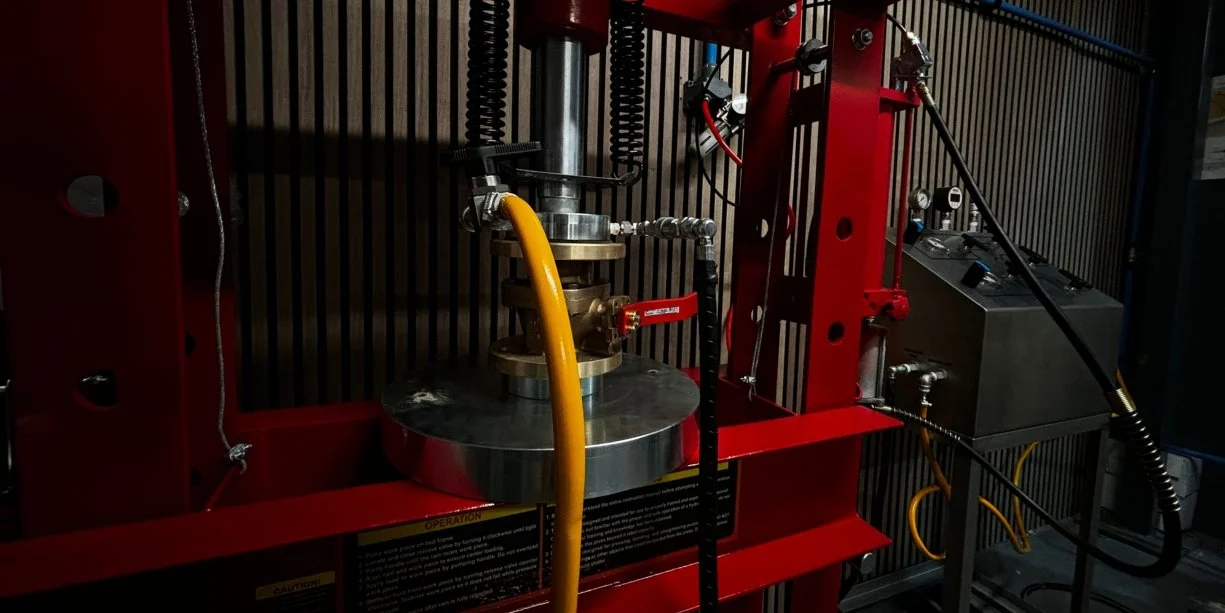
No refurbishment is complete without rigorous testing. The rebuilt valve undergoes pressure and leak testing to confirm performance under operating conditions. Hydrostatic and pneumatic tests simulate real-world service to verify integrity.
Testing ensures the valve meets safety and functional standards before returning to site. Documentation is recorded for traceability and compliance. This step provides confidence that the refurbishment has achieved full operational reliability.
A professionally refurbished valve must pass the same expectations as a new one — zero compromise on safety or performance.
The Long-Term Value of Professional Valve Refurbishment
Valve refurbishment is not simply maintenance — it is strategic asset preservation. Companies that invest in structured refurbishment reduce downtime, control costs, and extend equipment life without sacrificing safety.
When handled by experienced technicians using proper workflows, refurbished valves deliver dependable performance in demanding environments. For industries where reliability is non-negotiable, refurbishment is a practical and proven solution.