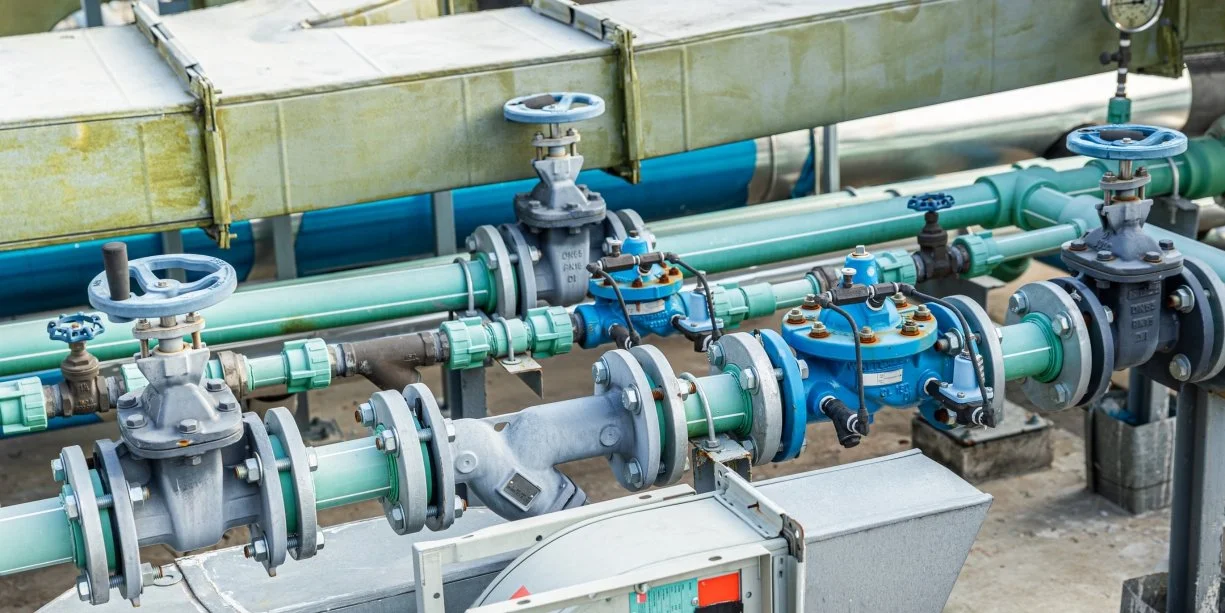
Why Choosing the Correct Valve Repair Kit Matters
Summary
• Correct valve identification is critical — matching the exact model, revision, and materials prevents compatibility issues and premature failure
• OEM repair kits provide the highest reliability — they maintain original tolerances, safety standards, and long-term performance
• Verification before installation avoids costly downtime — always cross-check parts, materials, and documentation before fitting spares

Selecting the correct valve repair kit is one of the most important decisions in any maintenance or refurbishment project. A poorly matched repair kit can lead to premature failure, leakage, performance loss, and unnecessary downtime. In industrial environments where valves control pressure, flow, and safety, using the right replacement components is not optional — it is essential.
A valve repair kit is designed to restore a valve to its original operating condition. These kits typically include seals, gaskets, O-rings, packing materials, springs, and other wear components that degrade over time. The key is ensuring every part matches the original design tolerances of your specific valve model. Even small dimensional differences can compromise sealing performance and system reliability.
Identifying Your Exact Valve Model
Before ordering any repair kit, you must correctly identify the valve. Many ordering mistakes happen because technicians rely on visual similarity instead of verified model data. Two valves may look identical externally but have completely different internal components.
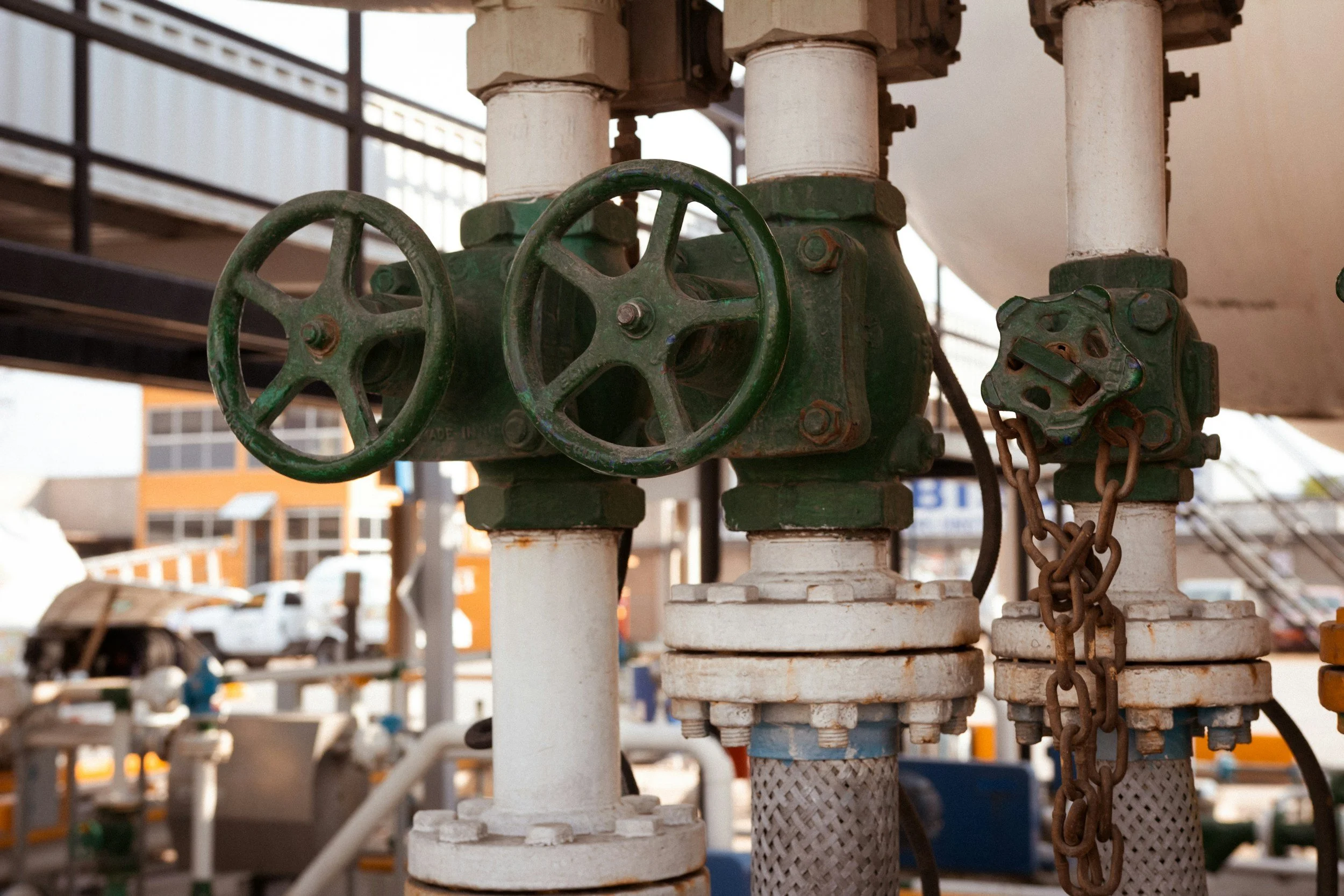
Start by locating the valve nameplate or stamped markings. Record the manufacturer, model number, pressure rating, material grade, and serial number if available.
These details are critical when matching OEM valve repair kits. If the nameplate is worn or missing, reference original purchase documentation, plant drawings, or maintenance logs.
Accurate identification ensures compatibility. Repair kits are engineered to match internal geometry, material compatibility, and pressure ratings.
Guesswork increases the risk of installing incorrect components that may fail under operating conditions.
Start by locating the valve nameplate or stamped markings. Record the manufacturer, model number, pressure rating, material grade, and serial number if available. These details are critical when matching OEM valve repair kits. If the nameplate is worn or missing, reference original purchase documentation, plant drawings, or maintenance logs.
Accurate identification ensures compatibility. Repair kits are engineered to match internal geometry, material compatibility, and pressure ratings. Guesswork increases the risk of installing incorrect components that may fail under operating conditions.
OEM vs Aftermarket Repair Kits
One of the most common questions in valve maintenance is whether to choose OEM parts or aftermarket alternatives. OEM valve repair kits are manufactured to the original design specifications of the valve. They are tested to ensure proper sealing performance, material compatibility, and long-term durability.
Aftermarket kits can sometimes offer cost savings, but not all third-party components are created equal. The risk lies in dimensional tolerances, material substitutions, and inconsistent quality control. In critical systems such as steam, chemical processing, or high-pressure pipelines, OEM kits provide greater assurance of safety and performance.
For safety-critical or regulated applications, using OEM components is often the recommended or mandated approach. It reduces liability and ensures compliance with system design standards.
Matching Materials to the Application
Not all repair kits are suitable for every environment. Material compatibility is just as important as dimensional compatibility. Seals and packing must match the media flowing through the valve and the operating temperature range.
For example, elastomers used in water systems may fail quickly in steam service. Similarly, aggressive chemicals require specialized materials designed to resist corrosion and swelling. Always confirm that the repair kit materials match the valve’s service conditions.
Environmental factors such as temperature cycling, pressure fluctuations, and exposure to contaminants should also influence your selection. Choosing the correct materials extends service life and reduces maintenance frequency.
Common Mistakes When Ordering Valve Spares
Ordering the wrong repair kit is more common than many maintenance teams admit. Several recurring mistakes lead to unnecessary delays and extra costs.
One mistake is ordering based solely on valve size. Size alone does not determine internal components. Different trim options, pressure classes, and design revisions can exist within the same nominal valve size.
Another frequent error is ignoring revision changes. Manufacturers often update internal components over time. A repair kit for an older version of a valve may not fit a newer revision. Always confirm the production date or revision level when available.
A third issue is mixing components from different kits. Combining unmatched seals or springs can disrupt valve performance. Repair kits are engineered as complete systems, and parts should not be substituted unless approved by the manufacturer.
Verifying Compatibility Before Installation
Before installing a valve repair kit, perform a compatibility check. Compare old components with new ones to confirm dimensions, materials, and assembly layout. If anything appears different, stop and verify with the supplier.
Documentation matters. Reliable suppliers provide part numbers, exploded diagrams, and compatibility charts. These references help ensure the correct kit is being used. Installation without verification can lead to rework and potential safety hazards.
Proper installation procedures are just as important as selecting the correct kit. Follow torque specifications, lubrication guidelines, and assembly sequences recommended by the manufacturer.
Working with a Specialist Supplier
Partnering with a specialist valve repair supplier reduces ordering risks. Experienced suppliers understand model variations, revision histories, and application requirements. They can cross-reference part numbers and confirm compatibility before shipment.
A knowledgeable supplier also provides technical support, helping maintenance teams avoid costly mistakes. Fast identification and correct kit selection minimize downtime and improve operational efficiency.
Investing time in proper selection and verification ultimately saves money. Correct valve repair kits extend equipment life, reduce unplanned shutdowns, and maintain system safety.