Common Causes of Valve Failure & How to Prevent Them
Summary
• Valve failure is most commonly caused by mechanical wear, corrosion, and thermal stress, all of which can be reduced through correct material selection and early detection
• A large percentage of failures come from poor installation and lack of preventative maintenance, not manufacturing defects
• A structured maintenance and refurbishment strategy extends valve lifespan, reduces downtime, and prevents emergency shutdown costs
Industrial valve failure is one of the most expensive and disruptive issues in any process system. A failed valve can cause unplanned downtime, safety risks, product loss, and costly emergency repairs. Understanding the common causes of valve failure — and how to prevent them — is essential for plant managers, maintenance teams, and engineers responsible for system reliability. This guide breaks down the most frequent failure mechanisms and explains how proactive maintenance can extend valve life and improve performance.
Wear Patterns and Mechanical Degradation
One of the most common causes of valve failure is progressive mechanical wear. Over time, repeated cycling causes internal components such as seats, seals, stems, and trim to degrade. High cycle applications accelerate this process, especially in valves exposed to abrasive media or high flow velocities.
Excessive wear often leads to leakage, poor shutoff, and loss of control accuracy. Cavitation, flashing, and erosion can further damage seating surfaces, making repair more difficult if left unchecked.
Preventative action starts with regular inspection and early detection. Monitoring cycle counts, checking for vibration, and inspecting sealing surfaces during scheduled shutdowns allows teams to intervene before catastrophic failure occurs. Using the correct materials for the application — such as hardened trim or erosion-resistant coatings — also significantly reduces wear-related damage.
Corrosion and Chemical Attack
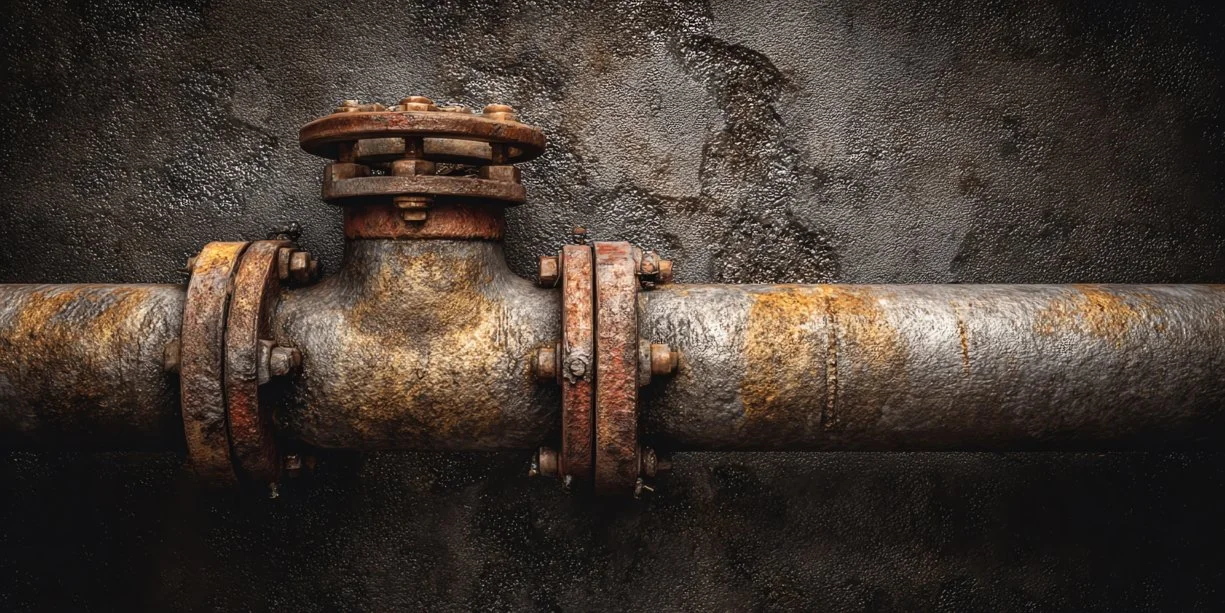
Corrosion is a silent but destructive force in industrial systems. Exposure to aggressive chemicals, moisture, or oxygen can weaken valve bodies and internal components. Even minor corrosion can compromise sealing integrity, eventually leading to leaks or structural failure.
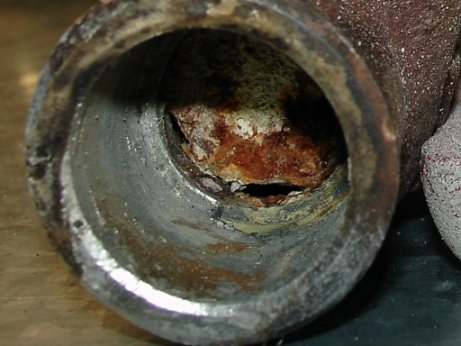
Different types of corrosion — including galvanic, pitting, and stress corrosion cracking — affect valves in unique ways. Stainless steel is not immune, and improper material selection is a major contributor to premature failure.
Prevention begins with correct material specification. Matching valve materials to the process fluid is critical. Protective coatings, corrosion inhibitors, and proper storage conditions also help reduce risk.
Routine inspections should look for early signs of rust, pitting, or discoloration so damaged parts can be repaired or replaced before system integrity is compromised.
Thermal Cycling and Temperature Stress
Frequent temperature changes place extreme stress on valve components. Thermal expansion and contraction can distort sealing surfaces, loosen fasteners, and fatigue metal over time. High-temperature systems — especially steam and thermal oil applications — are particularly vulnerable.
Rapid heating and cooling cycles accelerate seal degradation and may cause cracking in brittle materials. In severe cases, thermal shock can result in sudden valve failure.
The best defense against thermal damage is proper system design and gradual temperature transitions. Installing expansion allowances, using high-temperature rated materials, and avoiding sudden startup conditions reduce stress on valve bodies and seats. Regular monitoring of temperature fluctuations helps maintenance teams identify patterns that may be shortening valve life.
Poor Installation and Alignment Issues
A surprisingly high percentage of valve failures originate during installation. Misalignment, overtightening, improper torque settings, and incorrect actuator mounting can all lead to premature failure. Even high-quality valves will fail quickly if installed incorrectly.
Improper support of pipework places mechanical strain on the valve body, causing distortion and leakage. Contamination introduced during installation — such as debris left in the line — can damage internal components from the first cycle.
Preventative measures include following manufacturer installation guidelines, ensuring correct torque values, and flushing systems before commissioning. Training installation teams and using calibrated tools significantly reduces avoidable failures.
Lack of Preventative Maintenance
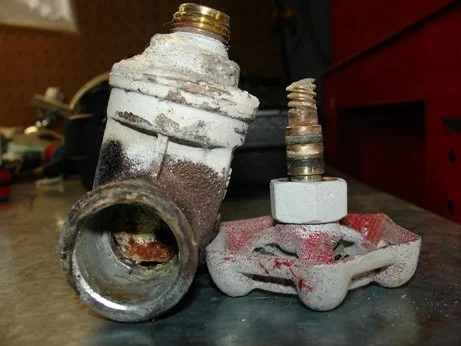
Neglected maintenance is often the final factor that turns a small issue into a major breakdown. Valves are mechanical devices that require routine servicing to remain reliable.
Without lubrication, cleaning, and inspection, seals dry out, debris accumulates, and hidden damage spreads.
A structured preventative maintenance program dramatically improves reliability. Scheduled servicing allows early detection of wear, corrosion, and alignment problems.
Keeping records of repairs and performance trends also helps predict when valves should be refurbished or replaced.
Maintenance should include seal replacement, actuator checks, pressure testing, and operational verification. Even valves that appear to function normally may be degrading internally.
How to Prevent Valve Failure Long Term
The key to avoiding costly valve failure is a proactive lifecycle strategy. Proper material selection, expert installation, regular inspections, and scheduled refurbishment extend valve service life and reduce emergency repairs. Investing in preventative maintenance costs far less than replacing failed equipment during an unexpected shutdown.
Working with specialist valve repair providers ensures that valves are restored to original performance standards. Refurbishment often includes machining, reseating, pressure testing, and component replacement — returning valves to near-new condition at a fraction of replacement cost.
Reliability is not accidental. It is engineered through maintenance discipline.